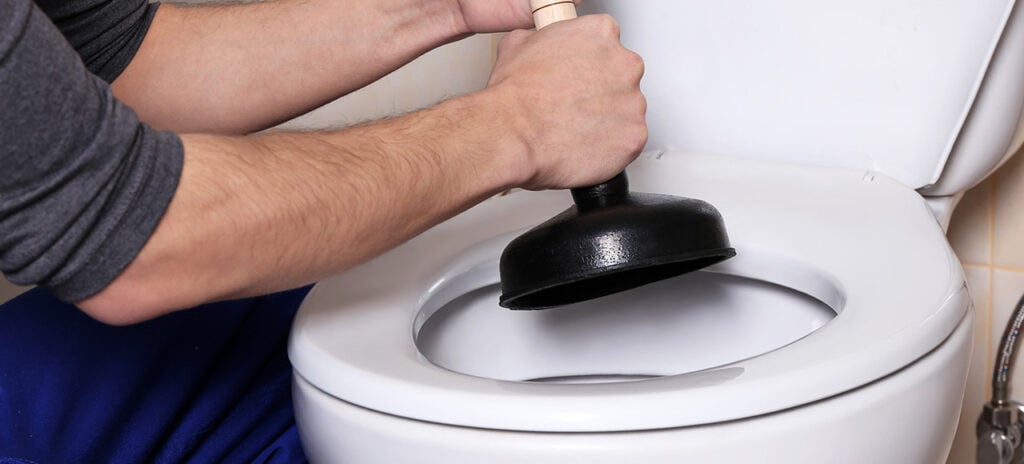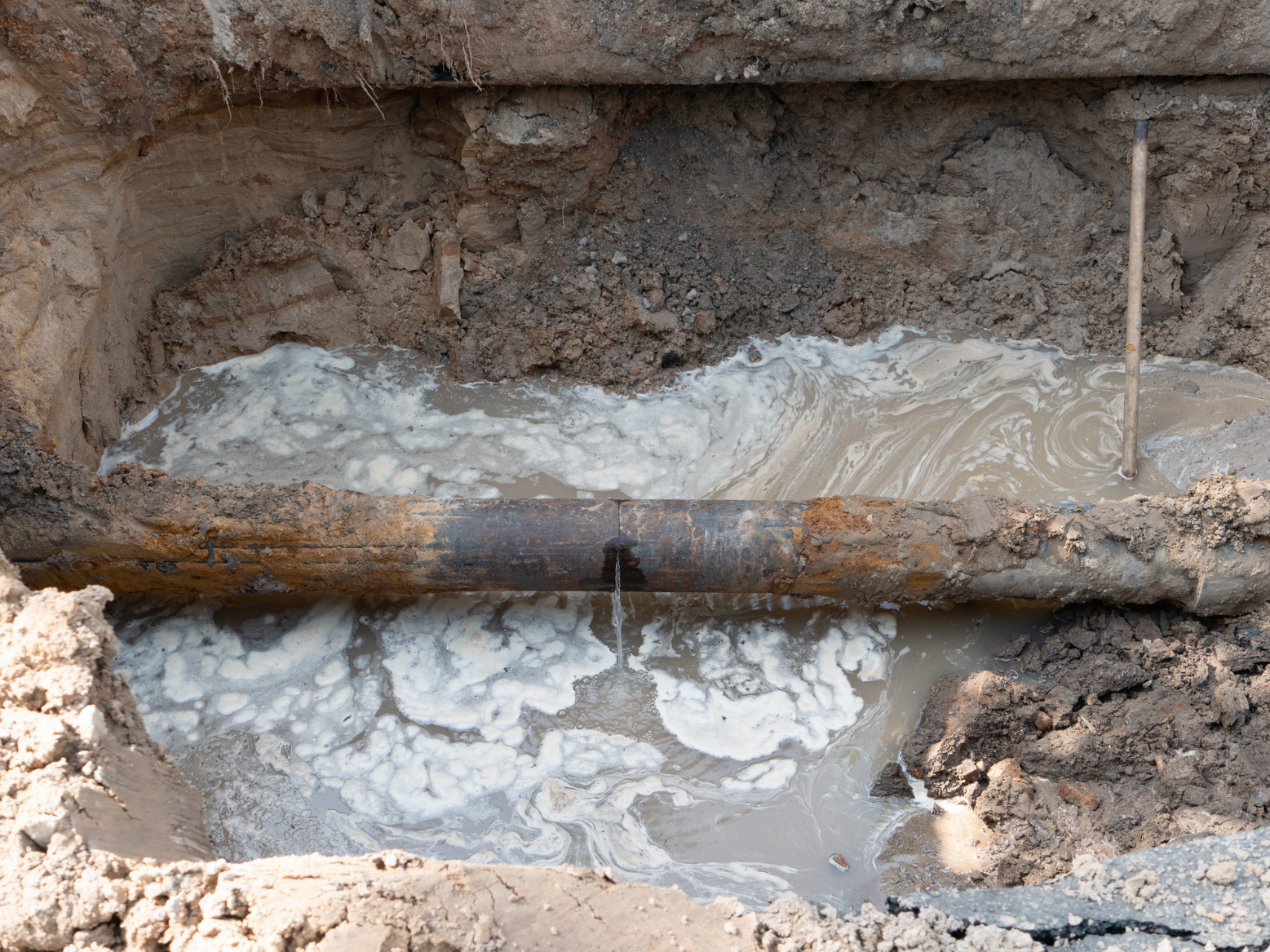
If you have a clogged drain, the first course of action would be to use a plunge or drain snake to unclog the drain. But if the same drain gets clogged again after a short while, or if you notice multiple drains in your house are running slowly at the same time, you’re probably dealing with a bigger issue. Persistent drain issues often signal something more serious, such as a major clog in your sewer line or damaged pipes.
Understanding the difference between a simple blockage and a failing pipe can save you thousands of dollars in water damage repairs and prevent the frustration of repeated service calls.
The Difference Between a Clog and a Failing Pipe
A true clog is a blockage caused by something stuck in the pipe: hair, grease buildup, soap residue, or sometimes tree roots growing through cracks in older pipes. These clogs happen in otherwise healthy pipes and are solved with a plunger, drain snake, or professional drain cleaning (if the issue is caused by tree roots or a bigger clog in your sewer line).
A failing pipe, by contrast, is one that’s deteriorating structurally. It might be cracked, broken, corroded, or collapsed. When pipes fail, water can’t flow through them properly regardless of how much you clean them out. You might clear the debris, but water will back up again because the problem is with the pipe itself.
The challenge is that many homeowners don’t realize they have failing pipes until they’ve spent money on repeated drain cleaning. A plumber using outdated equipment might not catch the real problem. That’s why proper diagnosis is critical.
Sign 1: Recurring Clogs in the Same Drain
If one particular drain, say, your bathroom sink or shower, keeps clogging every few weeks or months despite professional cleaning, this is a red flag for a failing pipe.
Recurring clogs in the same location usually mean one of two things: either the pipe has a crack or partial collapse that catches debris, or tree roots have invaded the line and are partially blocking it. In both cases, cleaning the clog temporarily restores flow, but the underlying structural problem remains. Within weeks, the same spot clogs again as more debris accumulates at the problem area.
This is especially common in older Detroit homes with original clay tile, cast iron, or galvanized steel pipes. Clay pipes, common in homes built in the 1920s through 1950s, can crack as the ground shifts. Cast iron, used in homes from the 1950s onward, corrodes over 60+ years. Tree roots are also a major problem in our area; large trees planted in yards decades ago have roots that now reach and infiltrate aging pipes.
If a plumber clears the clog but doesn’t investigate why it’s returning, you’ll keep paying for service calls. A video drain inspection (discussed below) can identify the exact cause.
Sign 2: Multiple Drains Backing Up Simultaneously
When several drains throughout your home are slow or backing up at the same time, you almost certainly have a problem with your main sewer line or a shared drain line, not individual clogs.
Think of your home’s plumbing as a tree: individual drain lines (branches) flow into larger shared lines (limbs), which connect to your main sewer line (the trunk). If the problem is far downstream in the main line, it affects everything. Hair in your shower drain won’t cause your kitchen sink to slow down unless there’s a backup in the main line.
When you notice the toilet, shower, and sink all draining slowly, or water coming up in your lowest-level fixtures when you drain the tub upstairs, this points to a main line issue. In Metro Detroit homes, especially those with older plumbing, sewer line failures are unfortunately common. Tree roots, soil settling, and pipe deterioration all contribute to sewer line problems.
This situation requires more than a plunger or simple drain cleaning. You need a professional to locate the problem and often need pipe replacement or repair.
Sign 3: Slow Drains Throughout the House
Gradually slowing drains across your entire home, instead of a backup, can also often indicate buildup inside the pipes.
In older homes, especially in areas with hard water like Michigan, mineral scale builds up on the inside of pipes over decades. Additionally, old galvanized steel pipes (common in Detroit homes built through the 1970s) eventually corrode internally, creating rough spots that trap debris and reduce flow.
If one or two drains are slow, a cleaning might help. But if you’re noticing slow flow everywhere (kitchen sink, bathroom sinks, shower, toilet), the problem is likely systemic. Cleaning might provide temporary improvement, but if the pipes are aging or deteriorating, the slowness returns quickly.
In this situation, a plumber might recommend replacing older pipes with modern materials. While it’s a bigger investment than drain cleaning, it’s more cost-effective than repeatedly paying for cleaning every few months when the real issue is pipe age.
Sign 4: Persistent Odors from Drains
Foul smells coming from drains usually mean one thing: waste water isn’t flowing away properly, and stagnant water is sitting in the pipes.
Healthy drain pipes carry waste quickly to the sewer. If water moves slowly or backs up, it sits in the line and begins to decompose, creating unpleasant odors. In older homes, this smell often indicates a low spot in the line where water pools or a partial collapse that’s trapping water.
Tree root intrusions also create this problem. As roots grow through cracks, they create blockages that slow water flow. The area behind the blockage becomes a catch basin for waste.
If you’re noticing persistent drain odors and plunging or cleaning temporarily helps but the smell returns, get a professional video inspection. You might have a section of pipe that needs replacement.
Sign 5: Visible Damage or Cracks in Exposed Pipes
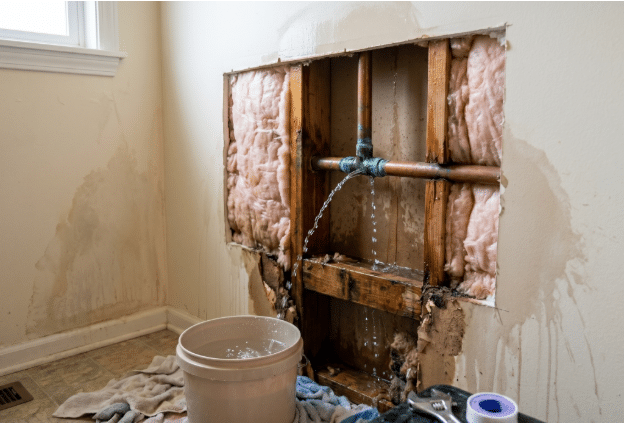
Sometimes the problem is literally visible. If you have basement exposure to any of your drain lines and you notice cracks, corrosion, or signs of leaking, you have a failing pipe situation.
In older Detroit homes with basements, you might see exposed cast iron drain lines. If these pipes show rust, cracks, or evidence of past leaking (staining or water damage around the pipe), they’re failing. Galvanized steel pipes in basements might show visible corrosion or white crusty buildup.
Any visible damage means it’s time to plan for replacement. These pipes have likely compromised structural integrity and could fail completely without warning.
Sign 6: Age of Your Home and Original Pipes
Sometimes the diagnosis as simple as looking at the age of your home and your pipes. If you’re experiencing any plumbing issues at all such as clogs, slow drains, backups, and your pipes are over 40 years old, replacement should seriously be considered.
Metro Detroit has many beautiful older homes built decades ago, and homeowners often inherit plumbing systems nearing failure. Rather than fighting repeated issues, it’s smarter to budget for replacement while the pipes still mostly work rather than wait for a catastrophic failure. This is also why it’s a smart idea to have a plumber inspect the plumbing system of a home you’re planning to buy.
How Professional Diagnosis Works
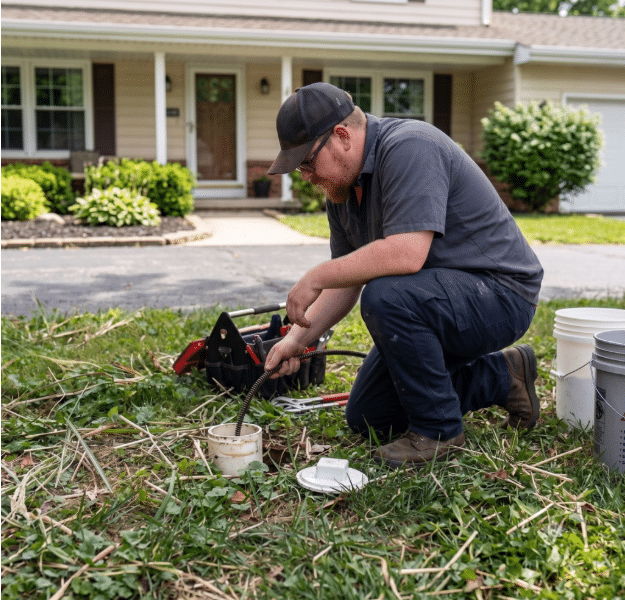
Video inspection (also called camera inspection or pipe inspection) is the gold standard in determining the cause of frequent clogs and pipe failures. A small camera on a flexible cable is fed down your drain, showing exactly what’s happening inside the pipe. This reveals cracks, collapses, root intrusions, corrosion, and actual blockages. It’s non-invasive and gives a clear picture of your problem.
Root intrusions appear as roots protruding into the pipe. Cracks and breaks are obvious. Corrosion buildup is visible. Once you know what you’re dealing with, you can make an informed decision about repair versus replacement.
Drain Pipe Repair vs. Replacement
In some cases, failing pipes can be repaired without full excavation and replacement. Trenchless pipe lining, for example, uses a resin-saturated tube to coat the inside of a damaged pipe, reinforcing it without digging. This works well for minor cracks and some corrosion issues.
However, for severely collapsed pipes, major root intrusions, or pipes that are beyond repair, replacement is necessary. This typically means replacing old pipes with PVC, which is durable, affordable, and less prone to the problems that plague older materials.
In older Detroit homes, planning for drainage pipe replacement, especially of sewer lines, is often a wise preventive measure. Waiting until you have a catastrophic failure means emergency repairs, potential sewage backup into your home, and major expense.
What to Do If You’re Experiencing Recurring Clogs
Recurring clogs aren’t normal, and multiple slow drains aren’t something you have to live with. Persistent drain odors are often signs of an issue.
If you’re experiencing any of these issues in the Metro Detroit area, the first step is a professional video inspection to diagnose what’s really happening. A qualified plumber can tell you whether you’re dealing with a simple clog that needs clearing or a failing pipe that needs repair or replacement.
WaterWork Plumbing serves Detroit and surrounding communities with professional drain inspection and pipe replacement services. We use video technology to accurately diagnose problems and recommend the most cost-effective solution. Give us a call at (248) 542-8022 or contact us on our website to schedule your appointment.