That unmistakable rotten egg or sewage-like odor wafting from your basement is not only disgusting, but could be sign of a serious issue that needs to be addressed quickly. We’ll walk you through the most common causes of sewer smell in the basement and explain why ignoring this problem can lead to serious issues down the road.
What Causes a Sewer Smell in Your Basement?
The smell of sewage in your basement rarely appears without a reason. It’s an indication of something wrong with your plumbing system. Here are the most common culprits:
Dry P-traps are one of the most overlooked causes of sewer odors. P-traps are the curved sections of pipe beneath your sinks, showers, and drains. They hold a small amount of water that acts as a seal, preventing sewer gases from backing up into your home. When a drain hasn’t been used for an extended period, like a basement sink, floor drain, or rarely-used bathroom, the water in the P-trap can evaporate. Without that water seal, sewer gases flow freely into your living space. This is especially common in Detroit basements during the colder months when basement drains might go unused for weeks at a time.
Cracked or Broken Sewer Lines are far more serious. Your main sewer line runs from your home to the municipal sewer system, traveling underneath your foundation. Tree roots, ground shifting, age, or corrosion can crack these lines. When a sewer line develops even a small crack, sewer gases escape into the surrounding soil and seep into your basement through foundation cracks or porous concrete. If you live in an older Detroit neighborhood where homes were built in the early to mid 1900s, your sewer line could be approaching the end of its lifespan.
Blocked or Damaged Vent Pipes allow sewer gases to escape safely through your roof. These vent pipes maintain proper drainage and prevent pressure buildup in your plumbing system. When a vent pipe becomes blocked by debris, nests, or ice buildup, gases back up and can escape into your basement instead. A blocked vent pipe might also cause slow drains throughout your home, which typically happens alongside the odor.
Broken Wax Seals occur where your toilet connects to the floor flange. The wax seal creates a watertight, airtight connection. Over time, wax seals can deteriorate, crack, or fail entirely—especially in homes where the foundation has settled. When this seal fails, sewer gases leak around the toilet base, and you’ll smell it in the basement below.
Damaged or Leaking Drain Pipes in your basement itself can also be the culprit. If your basement bathroom or utility sink has a damaged drain line, sewer gases will escape directly where the damage occurs. Older copper, galvanized, or cast iron pipes are particularly susceptible to corrosion and small leaks that release odors without producing visible water damage.
Health Risks and Why You Shouldn’t Wait
Beyond the unpleasant smell, sewer gases pose legitimate health concerns that shouldn’t be ignored. Sewer gas contains hydrogen sulfide and methane; both dangerous in enclosed spaces. Prolonged exposure can cause headaches, dizziness, nausea, and respiratory irritation. For children, elderly family members, or anyone with respiratory conditions, the risks are even greater.
Additionally, sewer gases are a sign that your plumbing isn’t operating as intended. If gases are escaping into your basement, it’s likely that bacteria and contaminants are too. This increases the risk of water contamination and can affect your family’s health. Some health issues develop gradually after prolonged exposure, making them easy to overlook until symptoms become serious.
The structural implications are important too. Cracked sewer lines or water intrusion associated with plumbing problems can lead to foundation damage, mold growth, and costly repairs. In the Detroit area’s clay-heavy soil, foundation issues compound quickly. What starts as a sewer smell in the basement might be the first sign of a much larger problem.
Common Signs You Have a Sewer Problem
Beyond the obvious smell, watch for these warning signs of a sewer problem:
– Multiple slow drains throughout your home
– Gurgling sounds in drains or toilets
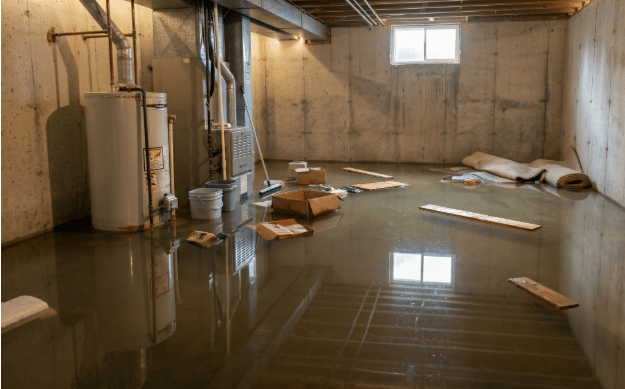
– Wet patches in your basement or yard without obvious water sources
– Unusually lush patches of grass in your yard (possibly from leaking sewage enriching the soil)
– Rodent or insect activity in your basement (they’re attracted to sewage)
If you notice any combination of these symptoms along with a sewer smell, don’t delay calling a professional.
When to Call a Plumber in Case of a Sewer Smell in the Basement
If you’ve noticed a sewer smell in the basement, contact a plumber in the following situations:
Immediately, if the smell is accompanied by multiple slow drains, backups, or wet basement conditions. These indicate a serious blockage or break in your main sewer line.
Within a few days, if you notice the smell only near one fixture (like a basement sink) but your drains are functioning normally. This might be a simple dry P-trap or a single damaged drain line.
As soon as possible, if you live in an older Detroit home and are noticing a new sewer smell. Older homes often have aging sewer systems that are approaching failure.
A licensed plumber can use camera inspection to look inside your pipes, identify exactly where the problem is, and recommend the best solution. Video inspections are non-invasive and provide clear evidence of what’s happening inside your plumbing system.
What to Do in the Meantime
While you’re waiting for a plumber visit, try these temporary measures:
Pour water down unused drains. If you suspect a dry P-trap, pour a gallon of water down the affected drain. This should restore the water seal and stop the smell temporarily. Repeat weekly if necessary.
Check for visible damage. Look around your basement for cracks, water stains, or obvious drain damage. Note what you find, as this information helps your plumber to diagnose the problem faster.
Improve ventilation. Open basement windows when weather permits. Use a fan to circulate air and dissipate odors while you arrange for professional help.Avoid chemical drain cleaners. These can damage older pipes and mask the symptom without fixing the underlying problem.