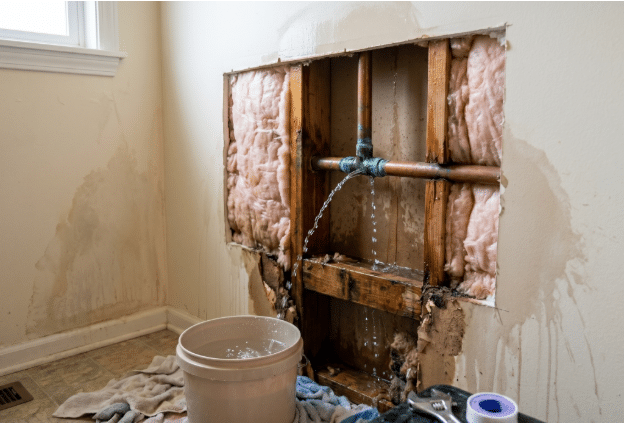
As local Metro Detroit plumbers for over 20 years, we’ve seen our fair share of plumbing emergencies. Between the brutal winters and the aging infrastructure that runs beneath many of our neighborhoods, Metro Detroit has its own set of plumbing challenges. Knowing the most common plumbing emergencies in Metro Detroit can help you act fast, limit the damage, and keep repair costs under control.
Here are the five plumbing emergencies that we see most often, along with what causes them, how to spot them early, and what to do if one hits your home.
1. Burst Pipes
This is the big one. Burst pipes are the most destructive of all plumbing emergencies in Metro Detroit, and our winters make them especially common. When temperatures drop below freezing for days at a time, water sitting in uninsulated pipes can freeze and expand. That expansion builds pressure until the pipe cracks or splits wide open.
Older homes in areas like Dearborn, Royal Oak, and Redford are particularly at risk. Many were built with copper or galvanized steel pipes that have weakened over decades of use. Even homes with updated plumbing can run into trouble if pipes run through unheated crawl spaces, garages, or exterior walls.
Burst Pipes Warning Signs
– Reduced water pressure on cold mornings
– Frost visible on exposed pipes
– Strange banging or clanking sounds when you turn on a faucet
How to Prevent Burst Pipes
Keep your thermostat set to at least 55 degrees, even when you’re away. Open cabinet doors under sinks on exterior walls to let warm air circulate. If a pipe does burst, shut off your main water valve immediately and call a licensed plumber. Every minute counts when water is pouring into your home.
2. Sewer Line Backups
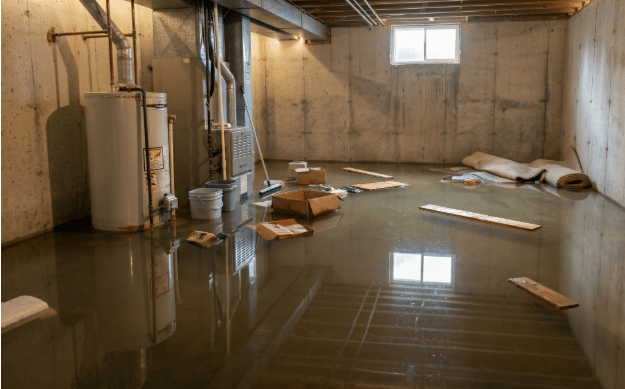
Few things are worse than sewage backing up into your basement. It’s unsanitary, it smells terrible, and it can cause thousands of dollars in damage to flooring, drywall, and personal belongings. Sewer line backups are among the messiest plumbing emergencies in Metro Detroit, and they happen more often than most people realize.
The root cause is often literal roots. Tree roots grow toward sewer lines because they’re a source of moisture and nutrients. Over time, roots infiltrate pipe joints and create blockages. Metro Detroit’s mature tree canopy is beautiful, but it’s tough on underground plumbing. Older clay sewer pipes, common in homes built before the 1970s, are especially vulnerable to root intrusion.
Heavy rainfall can also overwhelm combined sewer systems in parts of Detroit, Dearborn Heights, and other older communities, pushing sewage back through floor drains.
Sewer Line Backup Warning Signs
– Multiple drains in your home backing up at the same time
– Gurgling sounds from toilets or drains
– Sewage odors coming from your basement
What to Do in Case of a Sewer Line Backup
Don’t try to fix this yourself. Avoid using any water in the house and contact a plumber who can run a camera inspection to find the blockage. Installing a backwater valve can also protect your home from future backups.
3. Water Heater Failures
Your water heater works hard year-round, but you probably don’t think about it until you’re standing in a cold shower. Water heater failures rank high on the list of plumbing emergencies in Metro Detroit because they can go from minor inconvenience to serious flood in a hurry. A corroded tank can leak slowly for weeks before it gives out completely, dumping 40 to 50 gallons of water onto your basement floor.
Most tank-style water heaters last about 8 to 12 years. If yours is getting up there in age, it’s worth keeping a close eye on it.
Warning Signs for Water Heater Failure
– Rusty or discolored hot water
– Puddles or moisture around the base of the tank
– Popping or rumbling noises during heating cycles
– Water that doesn’t get as hot as it used to
What to Do If Your Water Heater’s Leaking?
If you see active leaking, turn off the gas or electricity to the unit and shut off the cold water supply valve at the top. Then call a plumber. Regular maintenance, like flushing the tank once a year to remove sediment buildup, can extend the life of your water heater and reduce the chance of a sudden failure.
4. Frozen or Burst Outdoor Faucets
Metro Detroit homeowners often forget about their outdoor hose bibs until spring rolls around. But if an outdoor faucet wasn’t properly winterized, the water trapped inside can freeze and crack the fitting or the pipe behind it. You might not even notice the damage until you turn the faucet on in April and water starts spraying inside your wall.
This type of problem is sneaky. The crack happens during winter, but the leak doesn’t show up until months later. By then, you could be dealing with water damage, mold growth, or both.
How to Detect Frozen or Burst Outdoor Faucets
– A hose left connected over winter (this traps water in the line)
– Water stains on interior walls near outdoor faucets
– Low pressure or no flow from an outdoor spigot in spring
Preventing Frozen Outdoor Faucets
Before the first freeze every fall, disconnect all garden hoses and shut off the interior valve that feeds your outdoor faucets. Let the remaining water drain out. If you suspect damage has already occurred, have a plumber inspect the line before you turn it back on. A small inspection fee can save you from a much bigger repair bill.
5. Gas Line Leaks
This is the one that scares people the most, and for good reason. While not strictly a “plumbing” issue in the traditional sense, licensed plumbers handle gas line work, and gas leaks absolutely qualify as plumbing emergencies in Metro Detroit. Many homes here use natural gas for heating, cooking, and hot water, so the risk is real.
Gas leaks can result from corroded fittings, improper installations, or shifting soil that puts stress on underground lines. Even a small leak poses a serious safety hazard.
Warning Signs of a Gas Leak
– A rotten egg or sulfur smell near gas appliances or in your yard
– A hissing sound near a gas line or appliance
– Dead patches of grass or vegetation above a buried gas line
– Feeling dizzy or nauseous indoors for no clear reason
What to Do In Case of a Gas Leak
If you smell gas, don’t flip any light switches, use your phone, or start your car in the garage. Get everyone out of the house immediately and call 911 or DTE Energy’s emergency line from a safe distance. Once the immediate danger is handled, a licensed plumber can locate and repair the leak.
Be Ready Before an Plumbing Emergency Hits
Plumbing emergencies in Metro Detroit don’t wait for a convenient time. They tend to happen on the coldest night of the year, during a holiday weekend, or right before you’re leaving for vacation. The best thing you can do is know where your main water shutoff valve is and have a trusted plumber’s number saved in your phone.
Waterwork Plumbing serves homeowners across Metro Detroit and understands the specific challenges that come with our climate, our soil conditions, and our aging housing stock. Whether you’re dealing with a burst pipe at 2 a.m. or a sewer backup after a heavy rain, their team is equipped to respond fast and get the problem fixed right.
Don’t wait until water is pooling on your basement floor. Save Waterwork Plumbing’s number (248) 542-8022, check your pipes before winter, and schedule routine maintenance to catch small problems before they turn into big ones.