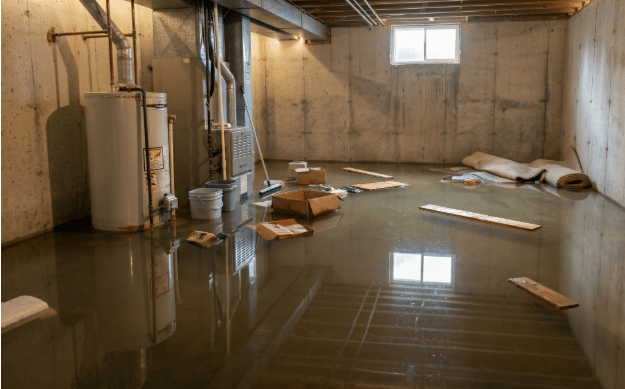
If you’ve lived in Metro Detroit long enough, you know that basement flooding is, unfortunately, a part of home ownership. Between aging infrastructure, heavy spring storms, and the region’s dense clay soil, homeowners in cities like Dearborn, Warren, Southfield, and Detroit proper deal with water intrusion more often than most people realize. Understanding the cleanup and restoration process of water damage in Detroit starts with knowing why it happens in the first place and what to do the moment you spot trouble.
Why Metro Detroit Homes Are So Prone to Flooding
A lot of it comes down to geography and age. Most homes in the Metro Detroit area were built between the 1940s and 1970s. That means old foundation walls, outdated drain tile systems, and plumbing that has been quietly deteriorating for decades. Many of these homes sit on heavy clay soil that doesn’t drain well. During a big rainstorm, that clay holds water right up against your foundation instead of letting it percolate down and away.
Then there’s the combined sewer system. Detroit and several surrounding communities still run stormwater and sanitary sewage through the same pipes. When a major rain event hits, those pipes can’t handle the volume. The result is sewage backup into basements, which is about as unpleasant as it sounds. The Great Lakes Water Authority has made improvements over the years, but the underlying infrastructure is still old and limited in capacity.
Add sump pump failure to the mix and you’ve got a recipe for disaster. Sump pumps run constantly during wet seasons in this area. Motors burn out, float switches get stuck, and power outages during storms knock them offline right when you need them most. A battery backup system helps, but plenty of Metro Detroit homes still don’t have one installed.
Common Causes of Water Damage
Flooding from storms and sewer backups gets most of the attention, but water damage in Detroit comes from a lot of different sources.
Burst or leaking pipes
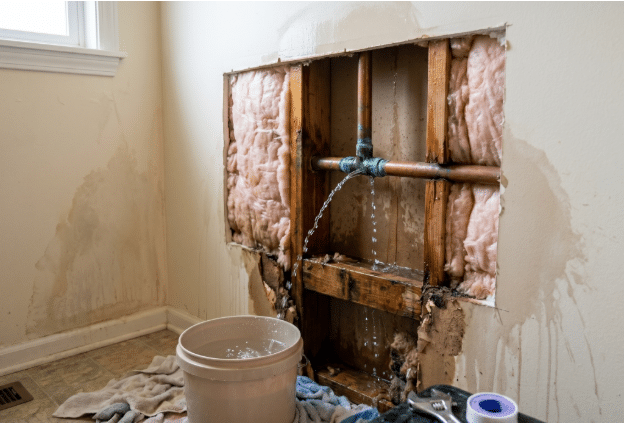
Older galvanized steel and copper pipes corrode over time. Michigan winters put extra stress on plumbing, especially in unheated areas like crawl spaces, garages, and exterior walls. A pipe that freezes and cracks in January might not show signs of damage until the thaw.
Water heater failures
The average water heater lasts about 10 to 12 years. In older Metro Detroit homes, it’s common to find units that are well past their expected lifespan. When the tank rusts through, you can end up with 40 to 50 gallons of water on your basement floor in a hurry.
Sump pump malfunctions
As mentioned, this is one of the biggest issues locally. A failed check valve, a clogged discharge line, or a simple electrical failure can leave your basement unprotected during the next storm.
Foundation cracks and seepage
Hydrostatic pressure from saturated clay soil pushes water through even small cracks in poured concrete or block foundations. You might notice damp spots on walls or a musty smell long before you see standing water.
Roof and gutter issues
Clogged gutters, damaged flashing, and missing shingles allow water to work its way into walls, ceilings, and attic spaces. Ice dams during Metro Detroit winters are another frequent culprit.
What to Do When You First Notice Water
The first few hours matter a lot. Acting quickly can mean the difference between a manageable cleanup and a full-blown restoration project.
- Stay safe first. If there’s standing water in your basement, don’t walk through it if there’s any chance that electrical outlets, appliances, or your electrical panel are submerged or exposed. Shut off the power to the affected area from your main breaker panel if you can do so safely. If you can’t, call your utility company or an electrician before entering the space.
- Stop the source if possible. If a pipe burst, shut off the main water supply to your home. The shutoff valve is usually near your water meter, which in most Metro Detroit homes is in the basement. For sewer backups, there’s not much you can do except wait for the water to recede and call a plumber.
- Document everything. Before you start cleaning up, take photos and video of the damage. Your homeowner’s insurance company will want to see what happened. Get shots of water levels, damaged belongings, and any visible source of the intrusion.
- Call your insurance company early. Many policies have specific timelines for reporting water damage. Don’t wait a week to make the call. Some types of water damage are covered and some aren’t, so you’ll want to know where you stand before you start spending money.
- Start removing water. If it’s safe to do so, use a wet/dry vacuum or pump to start getting water out. Open windows and set up fans to start air circulation. The faster you reduce moisture, the less chance mold has to take hold.
What a Plumber Does for Water Damage
A licensed plumber is usually your first professional call. Their job is to identify and fix the source of the problem so it doesn’t happen again.
For burst pipes, a plumber will locate the break, cut out the damaged section, and replace it. In older Metro Detroit homes with galvanized plumbing, they might recommend replacing a larger section or even repiping the affected area to prevent future failures.
If your sump pump failed, a plumber can install a new pump, add a battery backup system, and inspect the discharge line to make sure water is being directed far enough away from your foundation. They’ll also check the pit itself for debris or damage.
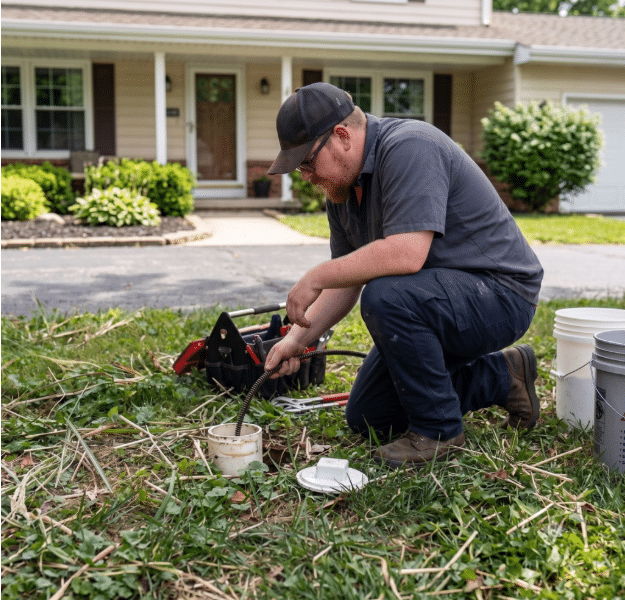
For sewer backups, a plumber will typically run a camera through your sewer lateral to check for root intrusion, collapsed sections, or other blockages. Many homes in cities like Dearborn, Livonia, and Redford have original clay sewer pipes that are 60 to 80 years old. Root intrusion is extremely common, and in some cases the pipe needs to be lined or replaced entirely.
A plumber can also install a backwater valve if your home doesn’t already have one. This device prevents sewage from flowing backward into your basement during heavy rain events. Some local municipalities even offer rebate programs for backwater valve installations.
The Water Damage Restoration Process
Once the source of water is fixed, the restoration process begins. For anything beyond a minor incident, you’ll likely want to hire a professional restoration company. Here’s what that process typically looks like.
The first step is water extraction. Restoration crews bring in commercial-grade pumps and extractors that are far more powerful than consumer equipment. They’ll remove all standing water and begin pulling moisture out of carpeting, padding, and other materials.
Then the space needs to be dried and dehumidified. Industrial air movers and dehumidifiers run for several days, sometimes up to a week, depending on how much water was involved. Technicians use moisture meters to monitor walls, floors, and subfloor materials. The goal is to get everything back to normal moisture levels before any rebuilding starts. In Metro Detroit’s humid summers, this step is especially important because ambient moisture can slow the drying process.
Once the water has been removed, the damage assessment and removal process begins. Drywall that has absorbed water needs to be cut out, usually at least 12 inches above the water line. Wet insulation gets pulled. Carpet and pad that were soaked by contaminated water (like sewage backup) almost always need to be discarded. Wood framing and subfloors are inspected for structural integrity.
One of the most important steps is mold prevention and remediation. Mold can start growing within 24 to 48 hours of water exposure. Restoration crews will apply antimicrobial treatments to affected surfaces. If mold has already started, they’ll contain the area and follow proper remediation procedures. This is one of the biggest reasons not to delay cleanup, especially during Michigan’s warm, humid months.
And finally, reconstruction can begin. The final phase involves putting everything back together. New drywall, insulation, flooring, paint, trim, and any other materials that were removed during the process. A good restoration company coordinates all of this and works with your insurance adjuster to keep the claim moving.
Preventing Future Water Damage
Dealing with water damage once is enough motivation for most homeowners to take prevention seriously. A few steps go a long way.
Keep your sump pump maintained. Test it every few months by pouring water into the pit and making sure it activates. Replace the battery backup annually. Have a plumber inspect the system if it’s more than seven or eight years old.
Clean your gutters at least twice a year and make sure downspouts direct water at least four to six feet away from your foundation. Grade the soil around your home so it slopes away from the house.
Know where your main water shutoff is and make sure it works. In an emergency, those few seconds matter.
If you’re in an area with a combined sewer system, talk to a plumber about a backwater valve. It’s one of the most effective defenses against sewer backup.
Water damage in Detroit is a reality of living in this region. The combination of aging homes, challenging soil conditions, unpredictable weather, and older infrastructure means every homeowner should have a plan. Know the warning signs, act fast when you spot them, and work with experienced local professionals who understand the specific challenges that Metro Detroit properties face.