A standard home inspection covers a lot of ground. The inspector checks the roof, foundation, electrical panel, HVAC system, and yes, the plumbing. But here’s the thing: a general home inspection is designed to evaluate the visible, accessible components of a home. When it comes to plumbing, some of the most expensive problems are hidden behind walls, buried underground, or disguised by temporary fixes that look fine on the surface.
If you’re buying a home in Metro Detroit, especially an older home, understanding the plumbing issues that a standard inspection might miss could save you thousands of dollars after closing.
What a General Inspection Typically Covers
A home inspector will run the faucets, flush the toilets, check for visible leaks under sinks, test the water heater, and look at exposed pipes in the basement or crawl space. They’ll note the water pressure, check the drainage, and identify any obvious signs of water damage. It’s a solid overview.
But inspectors are generalists. They look at the whole house in a few hours, and they’re limited to what they can see and access without opening walls or digging up the yard. That’s where gaps appear.
Sewer Line Condition
This is probably the single most expensive plumbing issue that buyers discover too late. In older Metro Detroit homes, the sewer line running from the house to the city connection can be clay, cast iron, or Orangeburg pipe, all of which deteriorate over time. Tree roots grow into cracked joints. Sections collapse or develop belly sags that trap waste and cause recurring backups.
A general inspector usually won’t scope the sewer line with a camera. That requires specialized equipment and a separate service. If you’re buying a home built before 1980, a sewer scope inspection is worth every penny of the $200 to $400 it typically costs. Replacing a sewer line can run $5,000 to $15,000 or more, so this is one plumbing issue you want to know about before you sign.
Galvanized Steel Pipes
Homes built before the mid-1960s in Metro Detroit commonly have galvanized steel water supply pipes. These pipes corrode from the inside over time, gradually restricting water flow and eventually developing leaks. A home with galvanized pipes might have decent water pressure today but be a few years away from needing a full repipe.
An inspector might note the pipe material, but they won’t always flag it as an urgent concern, especially if the water pressure seems acceptable during the inspection. Ask specifically about the supply pipe material. If the home has galvanized pipes, factor the cost of repiping ($4,000 to $10,000 depending on the home’s size) into your purchasing decision.
Slow Drains That Mask Bigger Problems
During a home inspection, drains might work fine because the seller recently cleared them. But slow drains in multiple fixtures can point to deeper plumbing issues: partial sewer blockages, improper venting, or deteriorating drain lines. A drain that was snaked last week will pass inspection today and cause problems next month.
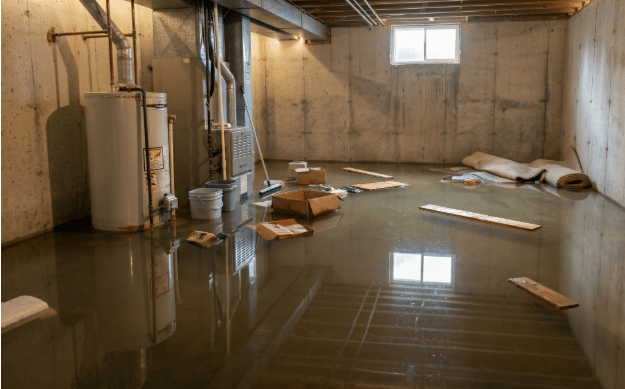
If the home has a finished basement, pay extra attention. Plumbing issues in below-grade spaces often lead to water damage that’s hidden behind drywall and flooring.
Water Heater Age and Condition
Inspectors will note the water heater’s age and whether it’s functioning. But a water heater that’s 10 or 12 years old, technically still working, is nearing the end of its lifespan. Tank-style water heaters typically last 8 to 12 years. If you’re buying a home with an aging unit, budget $1,200 to $2,500 for a replacement in the near future.
Also check whether the water heater has a properly installed expansion tank and a discharge pipe on the temperature and pressure relief valve. Missing safety components aren’t always flagged in a general inspection, but they matter.
Water Pressure Problems
Low water pressure can indicate several plumbing issues: corroded galvanized pipes, a partially closed main shutoff valve, a failing pressure regulator, or municipal supply problems. An inspector checks the pressure, but if the reading falls in a borderline range, they might note it without digging into the cause.
High water pressure is a problem too. Pressure above 80 PSI puts stress on pipes, fittings, and appliances, shortening their lifespan and increasing the risk of leaks. A pressure-reducing valve is a relatively inexpensive fix, but you need to know the problem exists first.
Polybutylene Pipes
Some homes built in Metro Detroit between the late 1970s and mid-1990s have polybutylene (poly-B) supply pipes. These gray plastic pipes were popular because they were cheap and easy to install, but they’re prone to sudden, catastrophic failure. They become brittle over time and can split without warning, causing serious water damage.
If a home has polybutylene pipes, most plumbers will recommend full replacement. Some insurance companies also raise rates or refuse coverage for homes with poly-B piping. This is a significant plumbing issue that can affect both your wallet and your ability to insure the property.
Why a Dedicated Plumbing Inspection Matters
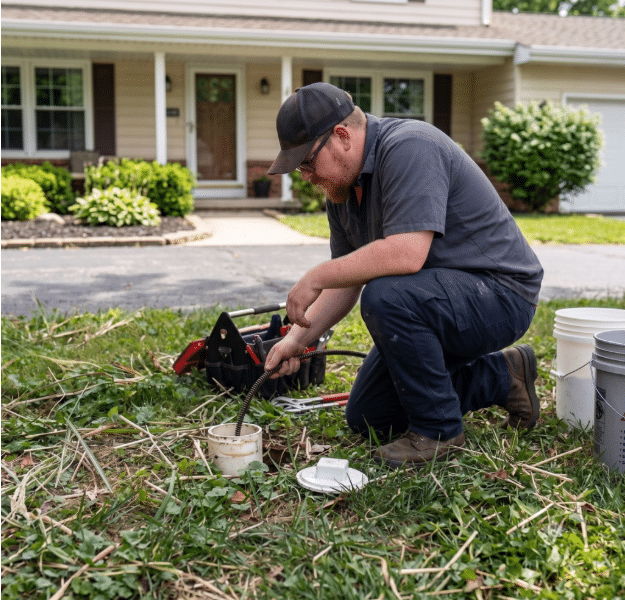
A plumber’s inspection goes beyond what a general home inspector does. A licensed plumber can evaluate the pipe materials throughout the home, camera-inspect the sewer line, test the water pressure with proper gauges, check the water heater’s condition in detail, and identify issues that require specialized knowledge to spot.
For older homes in Metro Detroit (and many homes here qualify as “older”), a plumbing-specific inspection typically costs $150 to $400, depending on whether a sewer scope is included. Compared to the cost of major plumbing repairs after closing, it’s a small investment.
What to Ask for Before Closing
If the plumbing inspection reveals problems, you have options. You can ask the seller to make repairs before closing, request a credit toward the cost of repairs, or renegotiate the purchase price. In some cases, you might decide to walk away entirely if the plumbing issues are severe enough.
Whatever you decide, having the information before you close gives you the leverage to make a smart decision. The worst outcome is finding out about a failing sewer line or corroded supply pipes after the house is already yours.
If you’re buying in Metro Detroit, don’t assume the general inspection has everything covered. A second set of eyes, specifically a plumber’s eyes, can make all the difference.