There’s nothing quite like the shock of stepping into a shower expecting hot water and getting an icy surprise instead. If you’re dealing with a failing hot water heater, the good news is that many common hot water problems have straightforward solutions. Understanding what your symptoms mean can help you figure out whether you need a quick repair or a full replacement.
We’ve outlined common symptoms below to help diagnose the issue with your hot water heater.
No Hot Water At All
When you’ve got absolutely no hot water coming from any faucet in your home, it’s time to do some basic troubleshooting before calling a plumber.
First, check if your water heater has power. If you have an electric unit, look at the breaker panel to see if the breaker has tripped. Sometimes a simple flip back to the “on” position solves the problem. Gas water heaters, more commonly used in Metro Detroit, should have a pilot light; if it’s gone out, you might be able to relight it following the manufacturer’s instructions (usually printed on the tank itself). If the pilot light won’t stay lit or you’re uncomfortable relighting it, that’s when you should call a professional.
If the power is on and the pilot light is burning, the issue is likely with the heating element (electric) or the thermostat. Both of these are relatively common failures in water heaters, especially in older Detroit homes where hard water can cause mineral buildup on heating elements. An electric water heater that’s 8-10 years old and suddenly stops producing hot water frequently has a failed upper heating element. A gas water heater with the same problem might need thermostat replacement or repair.
One other possibility is that the temperature setting on your water heater may have been accidentally changed. Check the temperature setting on your water heater. It’s not uncommon for someone to accidentally adjust the thermostat during maintenance or cleaning. Most water heaters work best set between 120-140°F. If it’s somehow been turned down to a very low setting, raising it back to 120°F might restore your hot water within a couple of hours.
Lukewarm Water Instead of Hot
Getting lukewarm water instead of hot water is often a sign that your water heater is losing efficiency. This symptom frequently appears in older water heaters at the end of their lifespan, especially those 12+ years old or because of sediment and mineral buildup inside the tank.
We typically have hard water in Metro Detroit. Minerals from the water settle on the bottom and sides of the tank over time. This buildup acts as an insulator, preventing the heating element from warming the water efficiently. You might notice that you run out of hot water faster than you used to or that the water never gets as hot as it once did.
A professional plumber can perform a tank flush to remove this sediment, which often restores performance. However, if the tank has significant buildup or is quite old (especially 12+ years old), replacement might be the best option. You might also have a faulty thermostat that’s preventing the unit from heating water to your desired temperature. This is more common in gas units and is a repairable problem.
Another cause of lukewarm water is a failed or failing mixing valve. This valve is designed to blend hot water from the tank with cold water to prevent scalding. If it’s malfunctioning, it might be letting too much cold water into the hot line, making the water feel less hot than it should be.
Strange Noises Coming From the Tank
Hearing popping, cracking, or rumbling sounds from your water heater is almost always caused by sediment buildup on the bottom of the tank. As the heating element fires up, it heats the sediment layer, which then cracks and pops as it’s exposed to the hot water. It’s similar to the sound of boiling water with something on the bottom of the pot. While these noises alone won’t break your water heater immediately, they’re a sign that sediment has accumulated, which means your unit is working less efficiently and is aging faster.
A flush can help in this situation as well. We recommend homeowners to flush out their water heaters at least once a year to prevent sediment buildup.
If you hear hissing sounds coming from your water heater, that’s different and more concerning. Hissing might indicate a gas leak in a gas-powered unit, which requires immediate professional attention. If you suspect a gas leak, turn off your gas main if it’s safe to do so and evacuate all people and pets from the home. Once you’re outside at a safe distance, call your local gas company immediately.
Discolored or Rusty Water
If your hot water comes out rusty, brown, or discolored, this is a sign of internal corrosion in the hot water heater. Water heater tanks are typically made of steel with a protective glass lining and an anode rod which prevents rust. When this protective layer fails or the anode rod deteriorates (it’s designed to corrode instead of the tank, sacrificing itself), the steel tank begins to rust from the inside. This rust gets carried into your plumbing and comes out at your faucets.
The anode rod is replaceable, and replacing it before the tank rusts through can extend your water heater’s life by several years. However, if you’re already seeing discolored water, it may be too late. Significant corrosion has already begun. In this case, replacement is usually the best option.
Leaking Water or Pooling Around the Base
A leaking water heater is an urgent problem that typically means replacement is necessary.
Small drips might come from the temperature and pressure relief valve, which is a safety feature. The valve opens when pressure builds up too much inside the tank. If it’s leaking, it might be doing its job by relieving abnormal pressure. This can sometimes be fixed, but it can also indicate internal problems with the tank.
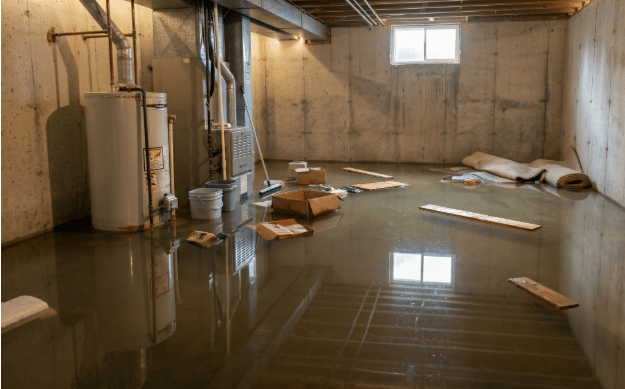
However, if water is pooling around the base of the tank or you see water actively leaking from the sides or bottom of the unit, the tank itself has developed a hole or significant corrosion. Steel tanks can’t be patched, and this kind of leak will only get worse. A leaking water heater should be replaced quickly, as it can spill a large amount of water at once, causing water damage.
If your water heater is leaking and you can’t get a professional out immediately, turn off the water supply to the unit and avoid using hot water. You can also turn off the power (electric) or gas supply (if gas-powered) as a precaution.
When Your Hot Water Heater Runs Out Quickly
Rapid hot water depletion is frustrating, but the cause depends on your situation.
If you have a larger household than you did when the water heater was installed, your current unit might simply be undersized. In this case, upgrading to a larger-capacity tank or a tankless system might be the solution.
However, if your hot water needs have not changed, running out of hot water quickly usually means the heating element or burner is failing. The unit can’t reheat water fast enough to keep up with demand. This is a sign you’re heading toward complete failure and should schedule an appointment soon.
What To Do After You Identify the Issue
If you’re experiencing any of these symptoms with your water heater, you can try troubleshooting it by checking that the hot water heater has power and the thermostat is set to the right temperature. If you can’t resolve the issue, or suspect a more serious problem, your best step is to call a licensed plumber. A plumber can diagnose the exact issue and recommend whether repair or replacement makes sense based on your unit’s age, the cost of repair, and your needs.
WaterWork Plumbing serves Detroit and the surrounding area with reliable water heater repair and replacement services for over 20 years. If you’re dealing with a failing hot water heater, contact us on our website or call (248) 542-8022 for an honest assessment and expert advice.
Your hot water heater is one of the most-used appliances in your home. When it’s not working right, life becomes uncomfortable fast. Understanding these common symptoms helps you recognize problems early and make informed decisions about repair versus replacement.