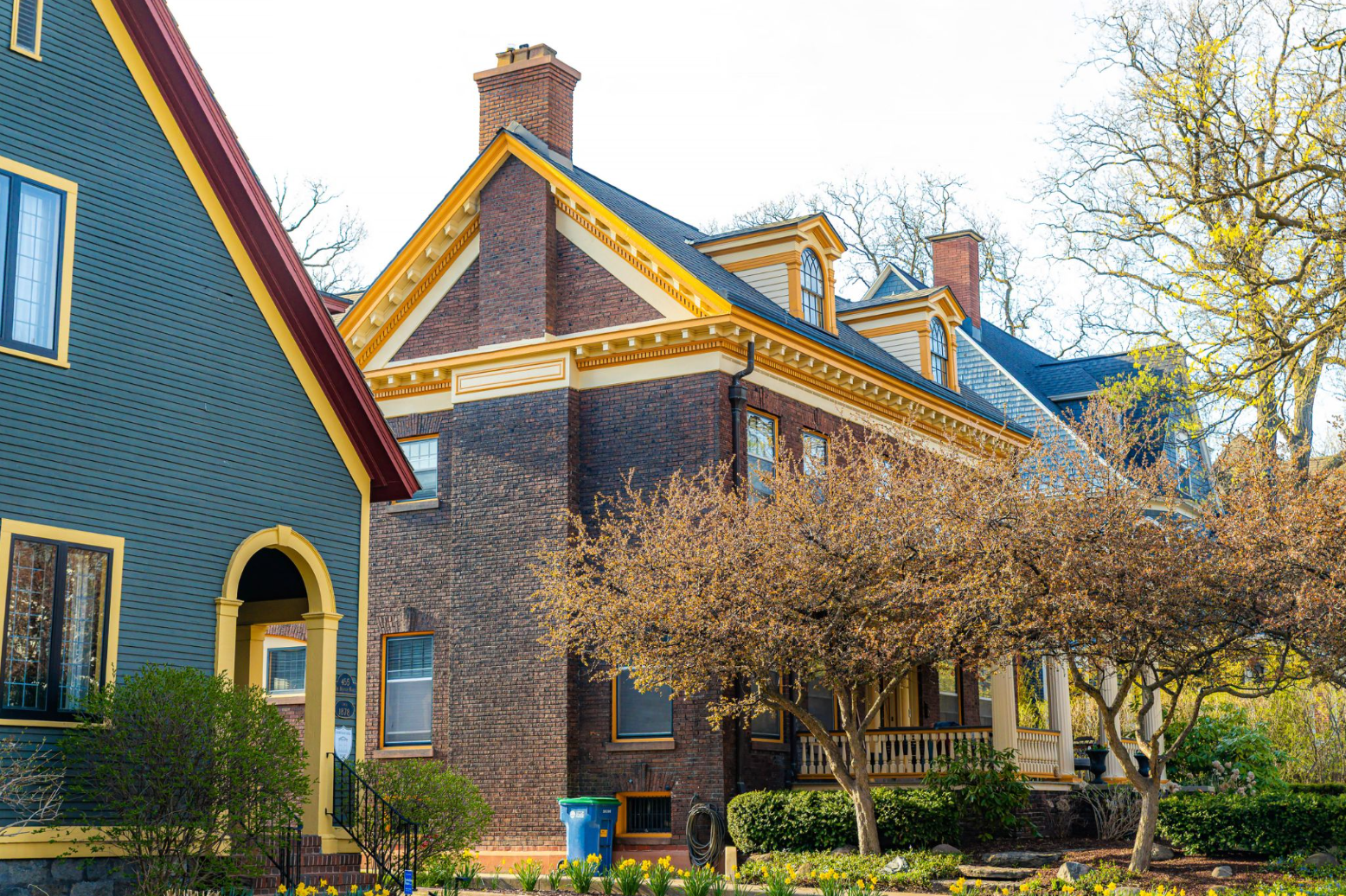
Metro Detroit has a remarkable architectural heritage from grand Victorian homes to sturdy brick colonials. The area is filled with older homes with tons of character. Unfortunately these charming older homes also have older plumbing systems, prone to plumbing issues. If you own an older Metro Detroit home, it’s important that you learn to recognize signs of these common plumbing issues so you can address them before they turn into bigger problems. In this guide, we’ll explore the most common plumbing issues in older Detroit homes, what causes them, and what you can do about them.
Galvanized Steel Pipes: The Slow Decline
Walk into the basement of most Detroit homes built before 1980, and you’ll likely see galvanized steel pipes. These pipes were the standard choice for decades due to being tough, affordable, superior to earlier materials. But galvanized steel has a significant flaw: it corrodes from the inside out.
Galvanized pipes are steel pipes coated with a layer of zinc. Over 40-50 years, that zinc coating deteriorates, exposing the steel underneath to rust. The rust accumulates inside the pipes, gradually restricting water flow. This creates several problems that you may notice:
Low water pressure is often the first sign. You might notice that showers feel weak or that filling a bathtub takes forever. Multiple fixtures running at once will cause dramatic pressure drops. This is incredibly frustrating, but it’s actually your plumbing system warning you that problems are coming.
Discolored water, especially rusty or yellowish water, particularly when first turning on a faucet, indicates active corrosion inside your galvanized pipes. The rust particles might be entirely harmless, but they’re ugly and suggest your pipes are deteriorating quickly.
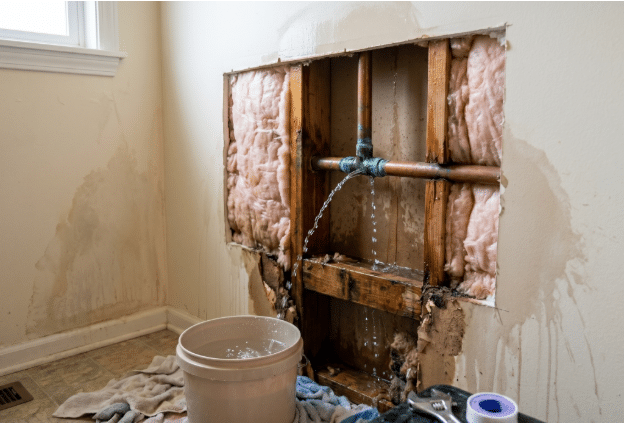
Leaks and pinhole holes eventually develop as the corrosion eats through the pipe walls. You might notice mysterious damp spots in your basement or crawl space or water suddenly appearing in unexpected places. By this stage, your system is failing.
The Detroit area sees extreme temperature swings and significant water hardness, both factors that accelerate galvanized pipe corrosion. Older Detroit homes on the west side (around Dearborn Heights, Lincoln Park, and Westland) are particularly vulnerable because of mineral-heavy water supplies.
The solution: Galvanized pipes can’t be repaired. The long-term fix is re-piping your home with moder materials. It’s a significant investment, but necessary to restore water pressure and prevent major leaks. Many Detroit homeowners prioritize this upgrade when planning renovations.
Lead Service Lines: A Hidden Health Hazard
One of the most serious concerns in older Detroit homes is the lead service line: the pipe connecting your home to the municipal water supply. Detroit’s water infrastructure is aging, and many of the service lines installed in the early-to-mid 1900s contained lead or lead solder.
Lead exposure is dangerous, particularly for children and pregnant women. It can affect brain development, learning, and behavior. Even low-level exposure over time is concerning. The problem is insidious because you can’t see, smell, or taste lead in water.
How to know if you have a lead service line: The most reliable way is a water test. You can also check your home’s build date and the original plumbing material. Homes built before 1970 in Detroit are at higher risk. In some homes, lead pipes may be visible in the basement. Lead pipes are a dull gray, soft enough to leave marks when scraped, and much heavier than copper pipes.
Neighborhoods like Hamtramck, parts of the East Side, and central Detroit have particularly high concentrations of lead service lines, as these areas developed intensively in the early 1900s when lead was the standard.
What you can do: If you suspect lead pipes, get your water tested immediately. If your home has lead pipes, the EPA recommends flushing water from fixtures each morning (letting it run for 30+ seconds before using it) to reduce lead exposure. A point-of-use water filter certified for lead removal can also help. The long-term solution is replacing lead service lines, but this requires coordination with the city and a licensed plumber experienced in lead line replacement.
Cast Iron Drain Pipes: Still Working, But Failing
Your home’s drain and sewer lines are often made of cast iron in homes built before 1980. Cast iron is still used today because it’s durable and excellent at dampening noise. But after 60-80 years, cast iron deteriorates.
Cast iron corrodes from the inside, developing rough surfaces that catch debris and create blockages. The pipes can also crack or break, especially if tree roots have invaded them, which is a common problem in established Detroit neighborhoods with mature trees. Once cracks appear, groundwater seeps into the drain system, and sewage leaks out into the surrounding soil and foundation.
Signs of cast iron drain problems include:
– Slow drains throughout your home, especially in the basement or on lower floors
– Gurgling sounds in drains or toilets
– Frequent backups in basement fixtures after heavy rain
– Sewer smells in your basement or yard
– Wet spots or soggy areas in your yard
Cast iron replacements are significant undertakings, but they’re sometimes unavoidable. If your home is in an older Detroit neighborhood, your cast iron pipes are likely reaching the end of their lifespan.
The solution: Have a camera inspection done first. This shows exactly where problems exist so you only replace what’s necessary. Partial replacements can sometimes address specific problem areas before a full replacement becomes essential.
Outdated Fixtures and Lack of Mixing Valves
Older Detroit homes often still have original or very old plumbing fixtures. While vintage claw-foot tubs and pedestal sinks are charming, they come with real drawbacks. Dangerous water temperature swings are common without modern mixing valves. You may experience sudden changes of water temperature if you’re in the shower while someone starts a load of laundry. This is not only uncomfortable but can be dangerous, especially for children and elderly residents.
Older fixtures also don’t have pressure regulators. Without a modern pressure regulator, water pressure fluctuates dramatically, stressing pipes and shortening the life of water-using appliances.
While these plumbing issues aren’t emergencies, they can significantly impact daily life. Updating your plumbing fixtures is a cost-effective way to improve comfort and safety while reducing your water use.
Low Water Pressure and Water Volume
Older Detroit homes often suffer from insufficient water pressure due to smaller diameter pipes used when water demands were much lower. This would need to be considered if you plan on adding another bathroom or even more faucets in your bathroom. Simply running a washing machine, shower, and dishwasher simultaneously can result in barely usable water pressure in some older homes.
Beyond replacing all of the pipes in your home, a partial solution is to install a water pressure booster pump. A plumber can assess your specific situation and recommend options.
Solutions: Inspection First, Planning Second
If you own an older Detroit home, the best approach is proactive:
1. Have a professional video inspection done. This reveals exactly what you’re dealing with and prevents unnecessary repairs. If you’re purchasing an older home, the best thing you can do is to get a thorough plumbing inspection.
2. Get water tested if your home was built before 1970, checking for lead and other contaminants.
3. Prioritize by urgency. Lead lines and failing cast iron drains are health and structural concerns. Galvanized pipe replacement, new fixtures, and pressure issues can often be scheduled strategically.
4. Budget for upgrades. Factor plumbing improvements into renovation planning. Tackling multiple plumbing issues at once is often more economical than spreading repairs across several years.
5. Find a plumber who understands old homes. Not all plumbers have experience with older plumbing systems. As a locally owned plumbing company, Waterwork Plumbing is familiar with older Detroit homes and the quirks of pre-1980s construction.
Know What’s In Your Home
If you live in an older Metro Detroit home or plan on purchasing one, knowing what’s behind the walls of the home is the best way to anticipate and address plumbing issues. Older homes have character that newer ones can’t replicate, and with proper maintenance, inspection, and strategic upgrades, your vintage home can have both charm and reliable, safe plumbing. The key is understanding what you have, addressing serious issues promptly, and planning for improvements that will extend your home’s life and your family’s comfort.If you’re noticing signs of plumbing issues in your older Detroit home, give Waterwork Plumbing a call at (248) 542-8022 or contact us on our website to get ahead of the issue.