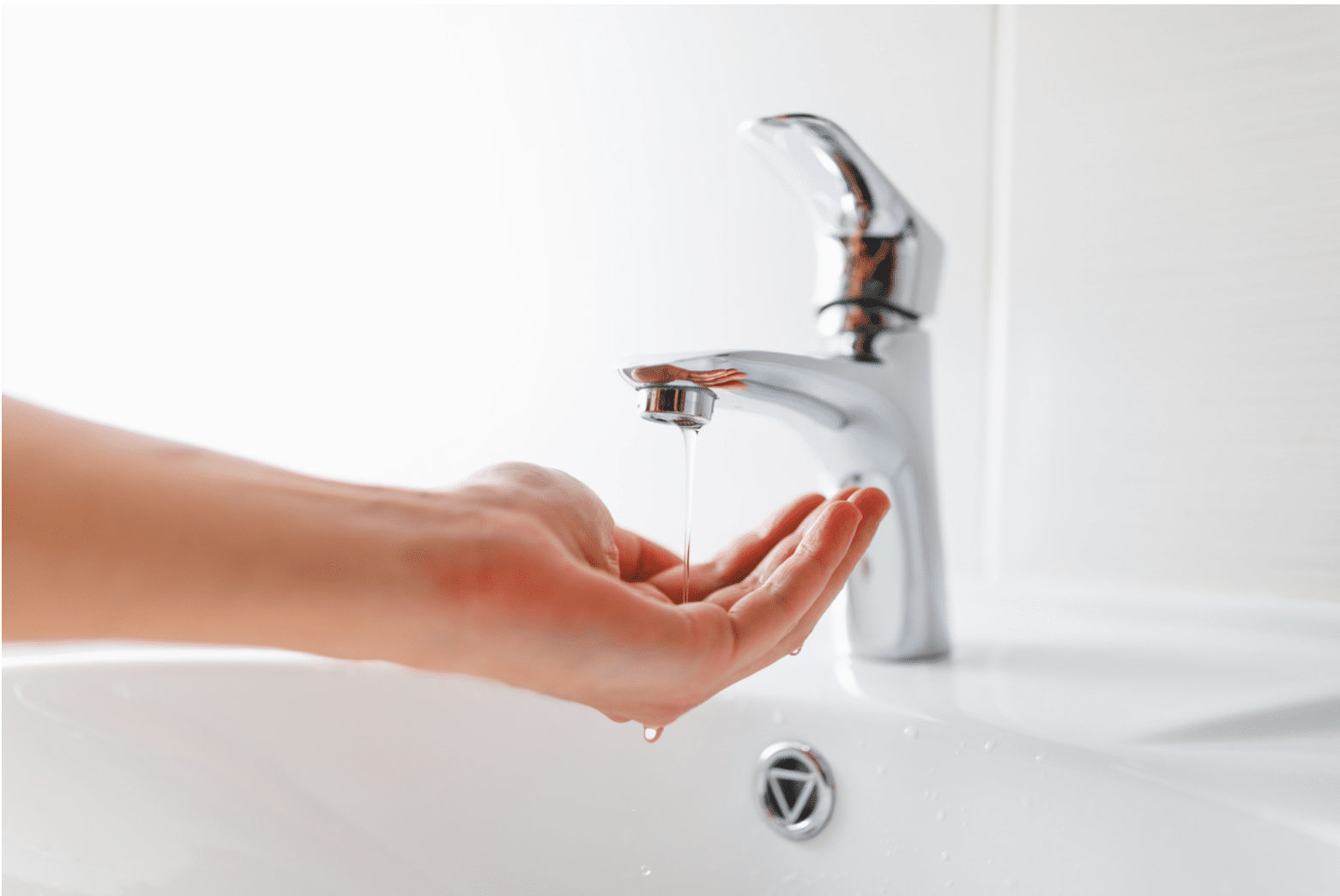
If you live in an older home in Metro Detroit, you’ve probably accepted low water pressure as just part of the deal. The thought of replacing all your plumbing sounds expensive and disruptive, so many homeowners think they’re stuck with weak showers and slow-filling tubs. The truth is you don’t need to replace everything to increase water pressure. There are several targeted solutions that work well for aging homes.
Understanding Why Older Homes Lose Water Pressure
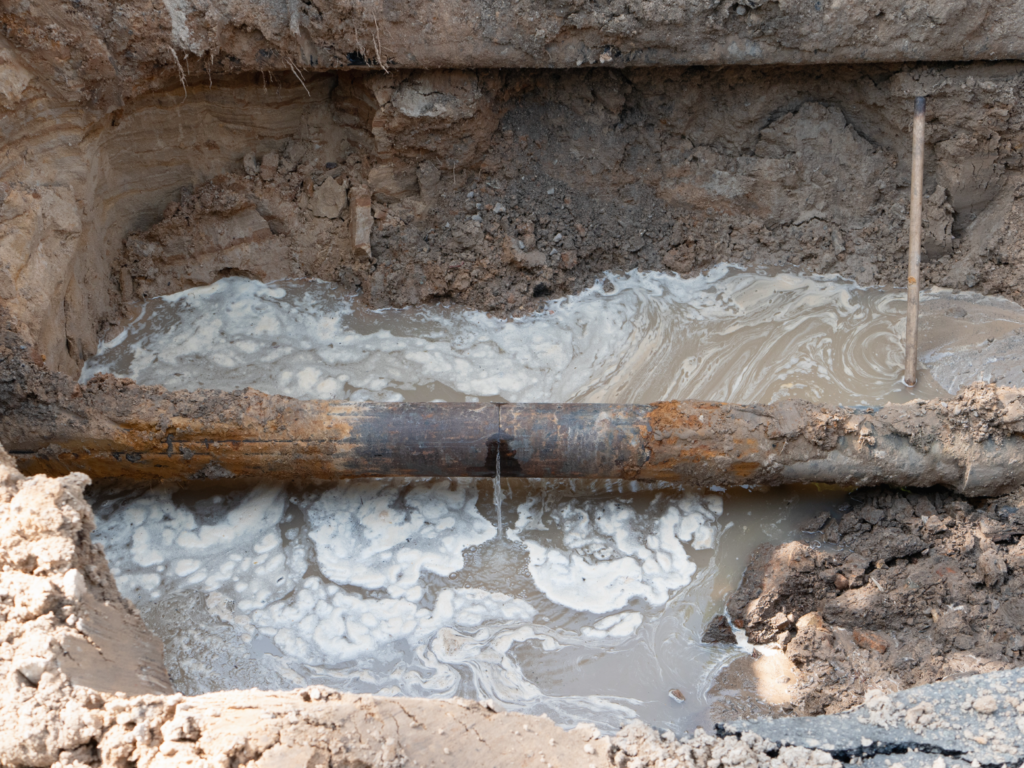
Detroit homes built between the 1920s and 1980s were plumbed with different materials than we use today. Many have galvanized steel pipes that, after decades, develop interior corrosion and mineral buildup. That rough interior surface causes water to slow down, and rust particles restrict the flow. Some homes have cast iron drain lines and copper supply lines that have lasted well, but the galvanized portions become problematic.
The house settles over time, too. Pipes that aren’t as rigidly supported as modern installations develop slight kinks and restrictions. Water pressure gradually declines as your home ages, and by the time you notice it, the problem is pretty advanced. The good news is that you can address these issues without tearing into your walls everywhere.
Start With Your Water Pressure Regulator
The first thing a plumber checks in an older home with water pressure issues is the water pressure regulator. This device sits where the main water line enters your house and maintains consistent pressure throughout your system. If yours is old or failing, it might be limiting your pressure to prevent damage to older pipes.
A regulator typically costs 150 to 300 dollars to replace, but the impact can be dramatic. Many homeowners see a noticeable improvement in pressure right away. If your regulator is original to your 1950s home, it’s definitely old enough to consider replacement. Adjusting an existing regulator is something a plumber can do, but if it’s stuck or corroded, replacement is the better option.
Check and Clean the Main Water Shut-Off Valve
Similar to the bathroom-specific shut-off valves, your home’s main water shut-off valve can become partially closed or restricted. Over the years, sediment builds up inside these valves, and they can get stuck in a partially closed position. Opening it completely might give you back water pressure you didn’t realize you were losing.
Have a plumber inspect it and clean it out if needed. If it’s stuck, replacement is usually the fix. This is a straightforward service that costs far less than pipe replacement and often solves pressure problems in older homes.
Upgrade Your Supply Lines in Sections
Instead of replacing every pipe in your house, you can focus on the worst sections. A plumber can identify which pipes have the most corrosion and restriction using pressure gauges and water velocity testing. Often, the biggest offenders are the galvanized steel lines that run from your main valve to your hot water heater and kitchen.
Replacing just your kitchen supply lines (the most heavily used area) can make a noticeable difference. You can then upgrade other areas as your budget allows. Switching to PEX (cross-linked polyethylene) tubing in these sections is cost-effective and improves flow immediately. In a Metro Detroit home, you might find that upgrading your main kitchen supply and your primary bathroom lines brings pressure back to acceptable levels.
Insulate and Protect Existing Pipes
If your pipes are still in decent condition but corroded on the inside, you can slow down the process and sometimes improve pressure slightly by having them flushed. A plumber can use specialized equipment to remove loose rust and sediment from inside your pipes. It’s not a complete solution, but it buys time and can help.
Protecting your pipes from further damage matters too. Properly insulated pipes in cold areas of your basement or crawlspace prevent freezing damage and allow water to flow more freely. If your pipes are exposed and uninsulated, that’s a quick improvement project.
Consider a Water Pressure Booster System
For homes where the municipal water pressure is already low, a pressure booster system might be the answer. These systems use a pump to increase water pressure throughout your home. They’re installed at your main water line and work automatically, boosting pressure when demand increases (like when you turn on a shower).
Booster systems aren’t right for every situation, but they’re excellent for older homes in areas with naturally lower water pressure. The cost ranges from 800 to 1500 dollars for a quality system, and they typically add 20 to 30 PSI to your water pressure. For many people, this is a worthy investment compared to a full repipe.
Address Point-of-Use Restrictions
Sometimes water pressure is fine at the main valve but drops significantly by the time water reaches upstairs bathrooms or distant fixtures. This happens in older homes because of how the pipes were originally routed. Installing a small pressure booster unit just for those problem areas is often cheaper than re-routing pipes.
A plumber can identify where pressure drops occur and recommend targeted solutions to increase water pressure. Maybe it’s a booster for your upstairs bathroom or a dedicated line for your kitchen. These smaller solutions cost a fraction of what a whole-home replacement would run.
The Role of Your Hot Water Heater
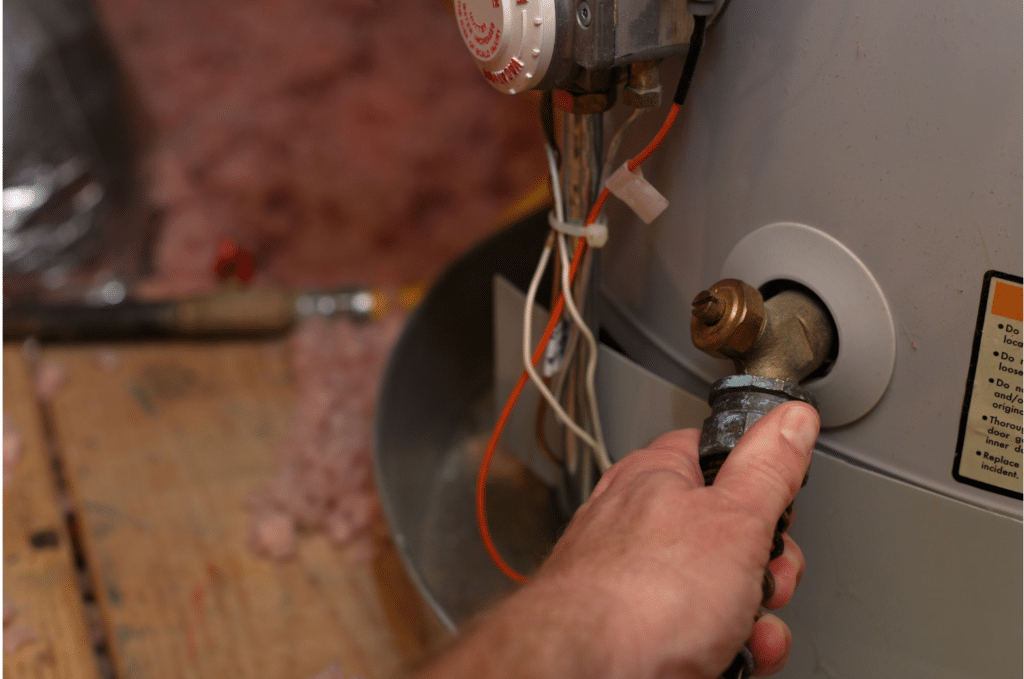
Your hot water heater can restrict water pressure, especially if it’s old and has internal mineral buildup. Flushing your water heater once a year maintains better performance, and it’s something you can do yourself. If your water pressure is low, especially when running hot water, your heater might be the culprit.
Newer water heaters with tankless or hybrid designs maintain pressure better than older tank models. If your heater is 12 or more years old, replacement could improve pressure while also saving energy.
Getting a Professional Assessment to Understand What’s Causing Your Water Pressure Issues
The best approach is getting a plumber to evaluate your specific situation. They can measure pressure at different points in your home, identify the worst-offending pipes, and recommend the most cost-effective improvements. Not every home needs the same solution.
For a typical Metro Detroit home built in the 1950s or 1960s, upgrading the pressure regulator, main shut-off valve, and key supply lines (kitchen and primary bathroom) often brings water pressure from 40-50 PSI back to 60-70 PSI. That’s a dramatic difference in your daily experience.
The Cost-Benefit Reality
A full repipe in a large Detroit home costs 8,000 to 15,000 dollars or more. A regulator replacement runs 200 to 400 dollars. Upgrading key supply lines runs 500 to 2,000 dollars depending on which areas you choose. A pressure booster system runs 800 to 1,500 dollars.
If weak pressure is truly impacting your quality of life, spending 2,000 to 4,000 dollars on targeted upgrades is reasonable. You get noticeable improvement without the expense and disruption of a full replumb.
Better Showers Are Within Reach
You don’t have to live with the water pressure limitations of your home’s original plumbing. A combination of targeted upgrades usually brings results that feel transformative. Enjoy that hot shower without wondering when the pressure is going to drop. Your Detroit home can have modern water pressure without costing you a fortune. Call Waterwork Plumbing today at (248) 542-8022 or visit our website to schedule your appointment for all of your plumbing needs.