A leak is every homeowner’s worst nightmare. Water leaks can seemingly come out of nowhere and cause tons of damage, which is why catching them early is so crucial. Homeowners should recognize the common causes of water leaks and understand how to detect them. To learn more about this topic, read our article on how to pinpoint leaks. If you suspect a leak, the best first step is to shut off your water main and call a plumber. The good news is modern plumbing technology has transformed leak detection. What used to require significant property damage can now be pinpointed with accuracy and minimal disruption.
How Plumbers Detect Water Leaks
When a plumber arrives at your home to find a hidden leak, they’ll usually start off asking detailed questions about where and when you hear the sound, whether your water bill increased suddenly, and if you’ve noticed any water stains or discoloration on walls or ceilings. These clues often point toward the general location of the problem before any equipment comes out.
Acoustic leak detectors are one of the most common tools in a plumber’s toolkit. These devices listen for the distinct sound of water escaping under pressure from inside your pipes. Different types of leaks make different sounds. A pinhole leak in a pressurized line creates a high-pitched hiss, while water running through walls produces a lower, rushing sound. A plumber learns to distinguish these sounds and follow them to their source.
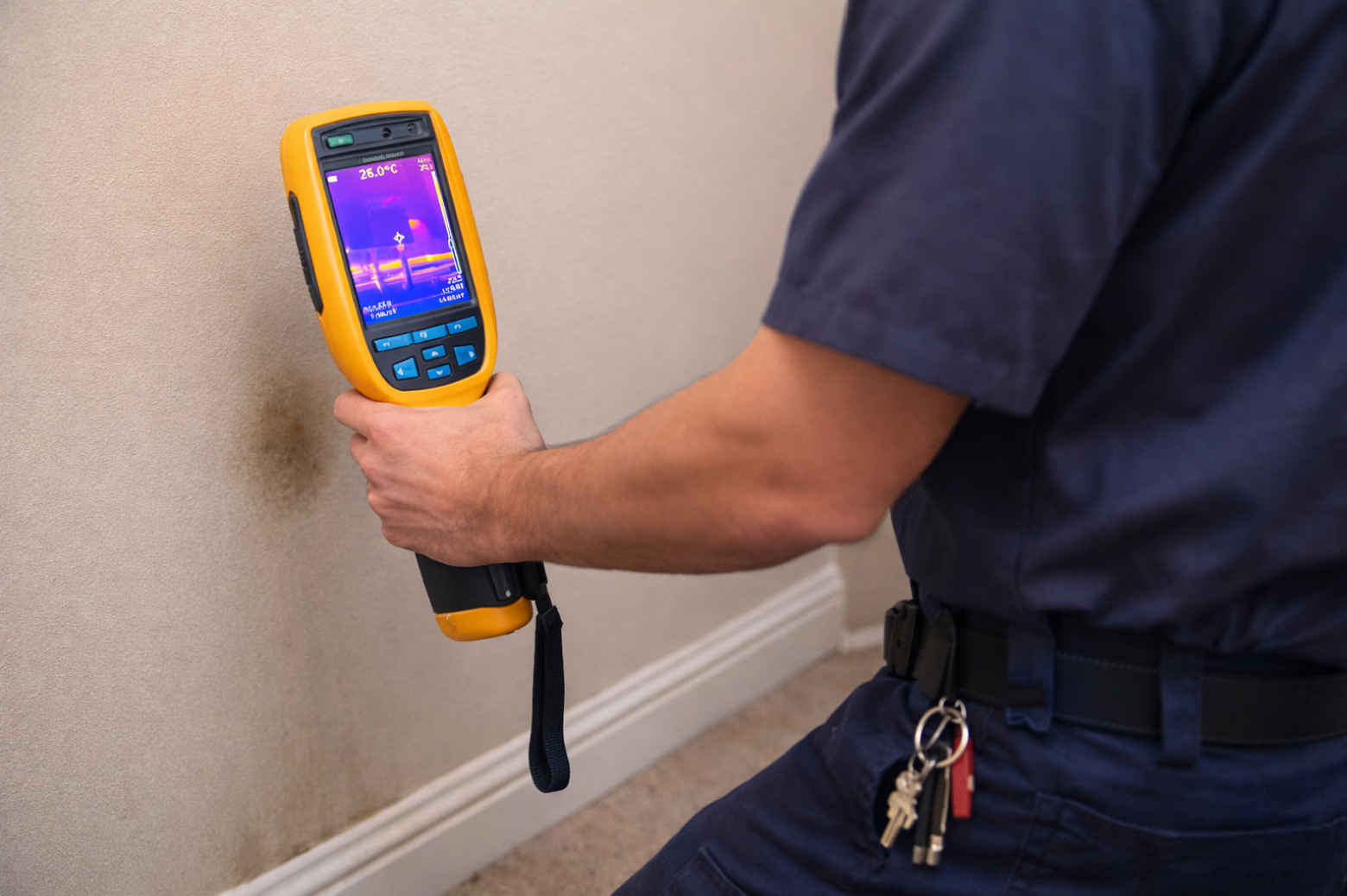
Thermal imaging offers another powerful approach. A leak inside a wall creates a temperature difference. Cold water leaking from pipes will show up as a distinct cool zone on a thermal imaging camera, while hot water leaks appear as warm spots. This technology lets a plumber see through walls and flooring without disturbing them. If your leak is in a particularly problematic location, thermal imaging can provide a clear picture before any demolition work begins.
Moisture meters are another essential tool. These devices detect excessive moisture in building materials like drywall, wood, and concrete. By taking readings at different points in suspect areas, a plumber can map out where moisture is accumulating and narrow down the leak’s location. A homeowner might notice a soft spot in a wall, but a moisture meter can confirm the issue before a wet spot even develops.
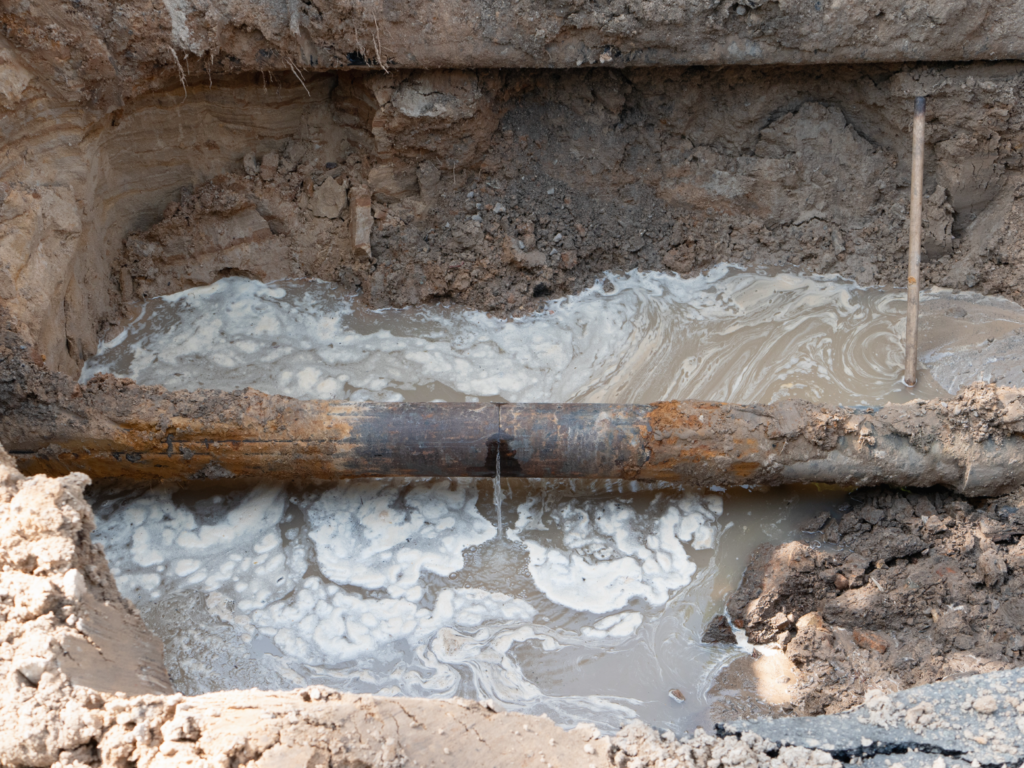
Ground-penetrating radar, or GPR, is the heavy artillery of leak detection. This technology sends radio waves into the ground or through building materials and analyzes how those waves bounce back. It can create a detailed picture of what’s happening underground or inside solid structures. For leaks in your home’s foundation, underground supply lines, or beneath your slab floor, GPR is often the best solution. Plumbers use this technology when they need to understand what’s happening beneath your property without digging exploratory holes.
Video camera inspection takes the guesswork out of drain and sewer line problems. A tiny camera on a flexible cable can travel through your pipes, sending real-time video back to the plumber’s monitor. This shows exactly where clogs, cracks, or breaks exist. You’re looking at the actual problem, not relying on theory or guesswork.
Why Leak Detection Matters Before It Gets Worse
When talking about leaks, most people think of catastrophic events that cause flooding. But small leaks can be very damaging too. You might be tempted to ignore a small leak but water damage accelerates over time. A pinhole leak today becomes a soaked wall cavity by next month, and the potential for structural issues. Moisture creates the perfect environment for mold growth, which brings its own health concerns and expensive remediation.
Your water bill tells part of the story. A small leak can waste thousands of gallons annually. If you’re noticing a significant increase in your bill without a change in usage, a hidden leak is the most likely culprit. Calling a plumber for leak detection is far cheaper than paying inflated water bills for months while the problem gets worse.
What to Expect During Professional Leak Detection
When you call a plumber for leak detection, you’re not automatically agreeing to major repairs. A good plumber will use non-invasive methods first. They’ll use tools to determine the location and extent of the leak. Only if these methods narrow down a specific area might they suggest small, targeted access points to visually confirm the leak. Once the leak is located, you and your plumber can discuss repair options that might range from a simple patch to a more involved section replacement.
The technology has become so precise that many leaks can be found and confirmed without any damage to your property. Even when some access is needed, it’s usually minor. A small hole in drywall is incomparably less disruptive than tearing out an entire wall.
Reach Out to Waterwork Plumbing for Leak Detection
If you suspect a hidden leak in your home, the best thing you can do is take quick action and call a professional. Waterwork Plumbing has been serving homeowners in the Metro Detroit area for over 20 years. Call us at 248-542-8022 or schedule an appointment on our website.