Michigan winters are tough on homes, and outdoor plumbing is often the first place cold weather causes serious damage. When temperatures drop below freezing, any water left inside hose bibs, outdoor faucets, or sprinkler lines can freeze, expand, and crack pipes. Unfortunately, this damage often goes unnoticed until spring, when thawing pipes begin leaking behind walls or underground. Taking time to winterize outdoor plumbing before the first freeze can prevent surprise flooding and expensive repairs.
Whether you live in Metro Detroit or elsewhere in Michigan, these steps will help protect your home through the winter months.
Step 1: Disconnect and store all hoses
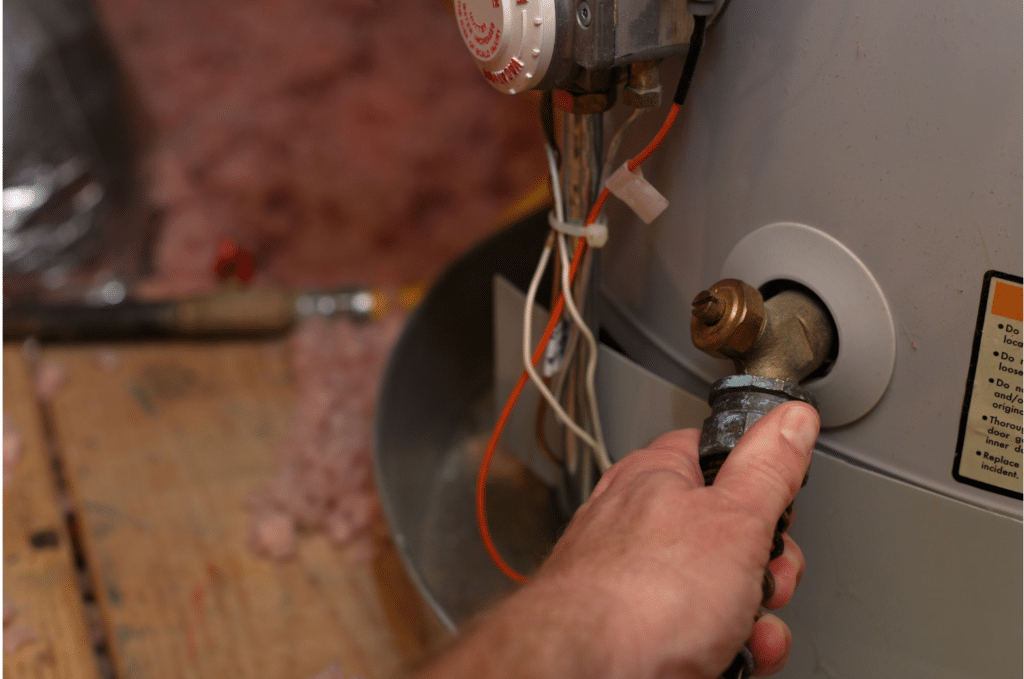
The first step to winterize outdoor plumbing is removing every garden hose connected to your home. Even if a hose feels empty, water almost always remains trapped inside. When left attached, that water can freeze and back up into the faucet or hose bib, increasing the risk of pipe damage inside the wall.
Once disconnected, drain the hoses completely and store them indoors or in a shed where they will not be exposed to freezing temperatures. This simple step alone prevents many common winter plumbing issues.
Step 2: Shut off interior valves for outdoor faucets
Most Michigan homes have an interior shutoff valve that controls water flow to outdoor faucets. These valves are typically located in the basement or crawl space near where the pipe exits the house. Closing this valve stops water from reaching the exterior plumbing during winter.
If you are unsure where your shutoff valve is located, it is worth finding it before winter arrives. Homes without an interior shutoff may benefit from having one installed, especially in older properties.
Step 3: Drain the exterior faucets
After shutting off the interior valve, go outside and open each hose bib or outdoor faucet. This allows any remaining water in the pipe to drain out completely. Leaving the faucet open throughout the winter can also help relieve pressure if small amounts of water remain inside.
Skipping this step can trap water in the pipe, which may freeze and expand even if the water supply is turned off.
Step 4: Protect hose bibs with insulated covers
Insulated faucet covers are inexpensive and widely available at hardware stores. While they are not a substitute for shutting off and draining the line, they provide an extra layer of protection against overnight freezes and wind-driven cold air.
Covers are especially helpful for older hose bibs that are not frost-free or for faucets exposed to strong winter winds. Installing them only takes a few minutes but adds valuable protection.
Step 5: Winterize your sprinkler system
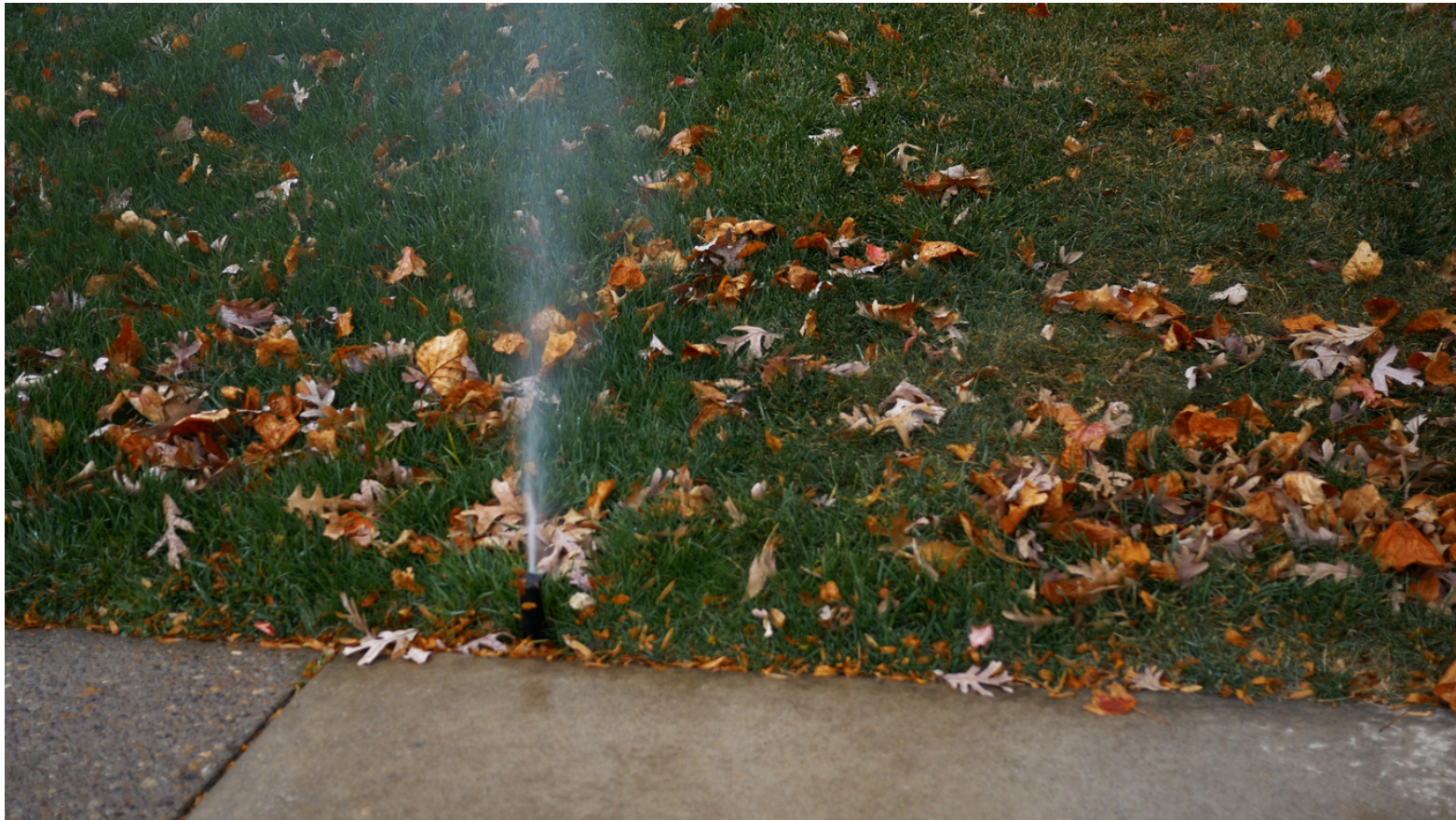
Sprinkler systems require special attention when you winterize outdoor plumbing. Simply turning off the water supply is not enough. Water remains trapped in underground lines, sprinkler heads, and valves, and freezing temperatures can easily crack pipes below the surface.
A professional sprinkler blowout uses compressed air to force all remaining water out of the system. This is the only reliable way to protect irrigation lines during Michigan winters. Attempting a DIY blowout without the proper equipment can damage the system and is not recommended.
Step 6: Inspect outdoor faucets for damage
Fall is the best time to inspect hose bibs and outdoor faucets for leaks, drips, or corrosion. Even a slow drip can allow water to remain in the line and freeze. If you notice leaks, loose handles, or water pooling near the faucet, repairs should be made before temperatures drop.
Addressing small issues early helps ensure your outdoor plumbing survives the winter without damage.
Why winterizing matters in Michigan
Michigan’s freeze-thaw cycles are particularly hard on plumbing systems. Temperatures often fluctuate above and below freezing, which increases stress on pipes and fittings. When outdoor plumbing is not properly winterized, damage can occur quickly and quietly.
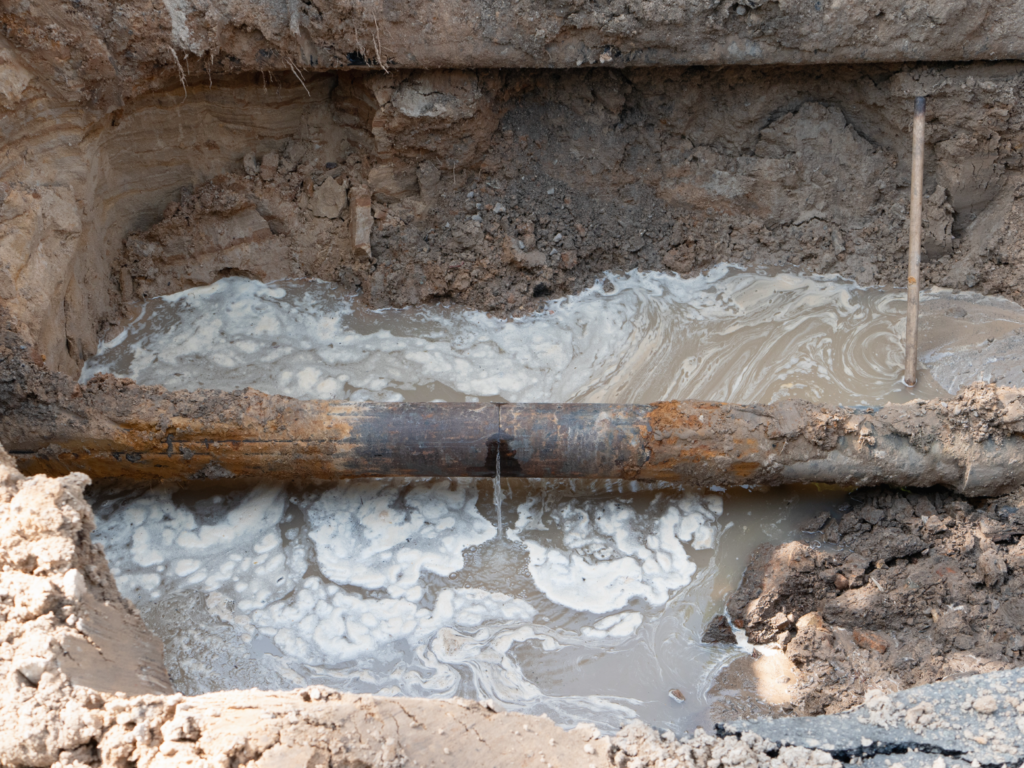
Burst pipes behind walls or under concrete are often discovered months later, leading to mold, water damage, and costly repairs. Taking the time to winterize outdoor plumbing is one of the most effective ways to protect your home and avoid emergency plumbing calls in the spring.
Contact Us to Winterize Your Plumbing
Winterizing outdoor plumbing is not complicated, but it does require attention to detail and timely action. Disconnecting hoses, shutting off interior valves, draining faucets, insulating hose bibs, and properly winterizing sprinkler systems all work together to keep your plumbing safe through the winter.
If you would prefer professional assistance or want to be sure your outdoor plumbing is fully protected, Waterwork Plumbing can help you winterize outdoor plumbing correctly and efficiently. Proper preparation now can save you from frozen pipes, unexpected leaks, and expensive repairs once winter is over. Contact Waterwork Plumbing today.