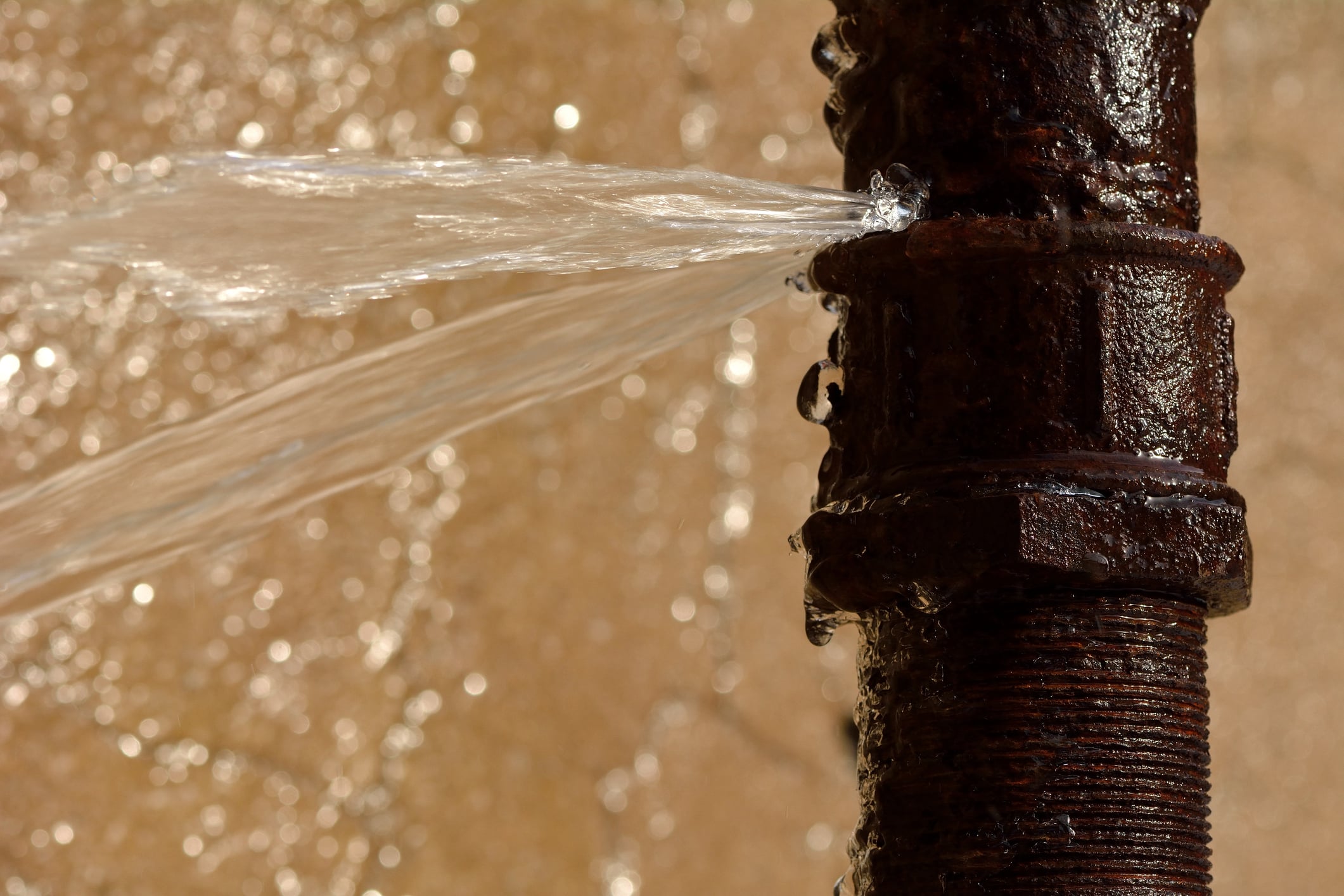
You might not see it happening, but deep within your home’s walls, a silent enemy could be slowly eating away at your plumbing system. Pipe corrosion is one of those problems that sneaks up on homeowners, particularly here in Detroit, where many of our beautiful older homes still rely on plumbing systems installed decades ago. By the time you notice the telltale signs like discolored water, mysterious leaks, or that annoying drop in water pressure, the damage has often already begun.
The good news? Understanding what causes pipe corrosion and taking preventive steps can save you from dealing with emergency repairs, water damage, and the hefty bills that come with them. Let’s dive into what every Detroit homeowner should know about protecting the plumbing in their homes.
Understanding Pipe Corrosion
At its core, pipe corrosion is essentially a chemical breakdown process. When metal pipes are exposed to water and other elements over time, they begin to deteriorate. The deterioration gradually weakens the pipe walls until they can no longer withstand normal water pressure.
This process doesn’t happen overnight. Corrosion typically develops over years, which is why it’s often referred to as a “silent killer” of plumbing systems. The metal dissolves away, creating thin spots and eventually holes that lead to leaks, bursts, and in severe cases, contaminated drinking water.
The Root Causes: Why Detroit Homes Are Particularly Vulnerable
Homes in Detroit tell a story of different eras of construction, and unfortunately, many of these eras coincided with plumbing materials that we now know are susceptible to corrosion. Here’s what’s working against us:
Aging Infrastructure
Walk through many Detroit neighborhoods, and you’ll find homes with galvanized steel pipes installed in the 1950s and 60s, or copper piping from the 70s and 80s. While these materials served their purpose well for decades, they’re now reaching the end of their useful life.
Galvanized pipes are particularly problematic because the zinc coating that once protected them gradually wears away, leaving the underlying steel vulnerable to rust and corrosion.
Water Composition & Hard Water
Water chemistry plays a big role that many homeowners don’t consider. Detroit’s water supply, while generally safe, has characteristics that can accelerate the corrosion process. High oxygen levels in the water essentially “feed” the corrosion process, while low pH levels create acidic conditions that eat away at metal pipes. Additionally, high mineral content, while not necessarily harmful to drink, can create buildup and chemical reactions that speed up deterioration. If you’re wondering whether you may have hard water at your home, click here to read our article on the topic.
Electrolysis
Electrolysis is a lesser-known but significant cause of pipe damage. When stray electrical currents travel through your plumbing system (which can happen due to improper grounding or nearby electrical work), they can cause rapid metal loss, particularly in copper pipes. This process can create pinhole leaks that are difficult to detect until they cause significant damage.
Improper Installation
Installation issues from decades past continue to cause problems today. When different types of metals are joined together without proper insulation, they create what’s called galvanic corrosion. This happens when dissimilar metals like copper and steel create a small electrical current in the presence of water, causing one metal to corrode faster than it normally would. Poor soldering techniques or the use of acidic flux can also create weak points that corrode over time.
Recognizing the Warning Signs
The tricky thing about pipe corrosion is that by the time you notice obvious problems, the damage is usually well underway. However, being aware of the early warning signs can help you address issues before they become major headaches.
- Discolored water is often the first sign homeowners notice. If your water comes out brown, reddish, or has a yellowish tint, especially first thing in the morning or after being away from home, this typically indicates rust and corrosion within your pipes. The discoloration happens when corroded metal particles get mixed into the water.
- Taste and odor changes are equally important indicators. A metallic taste in your drinking water or unusual odors can signal that your pipes are deteriorating. While this might not immediately pose health risks, it’s a sign that your plumbing system needs attention.
- Frequent leaks are an obvious red flag, but many homeowners don’t realize that multiple small leaks often indicate a systemic corrosion problem rather than isolated incidents. If you’re calling a plumber more than once a year for leak repairs, it might be time to consider a more comprehensive evaluation of your plumbing system.
- Declining water pressure throughout your home can indicate that corrosion buildup is restricting water flow. This is particularly common with galvanized pipes, where rust and mineral deposits gradually narrow the interior diameter of the pipes.
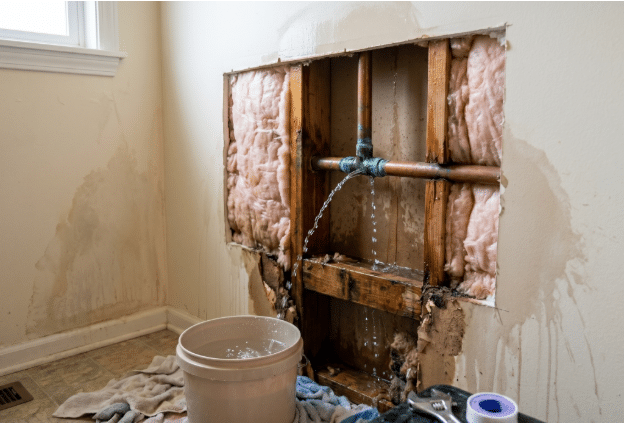
- Staining around fixtures and unexplained water damage in areas near plumbing can indicate slow leaks caused by corroded pipes. These leaks might be so small that they’re not immediately obvious, but they can cause significant damage over time.
Prevention Strategies That Work
The best approach to dealing with pipe corrosion is prevention, and several strategies can significantly extend the life of your plumbing system.
- Pipe replacement might seem like a drastic step, but for homes with aging galvanized or copper systems, it’s often the most cost-effective long-term solution. Modern materials like PEX (cross-linked polyethylene) and PVC are virtually immune to corrosion and can last 50 years or more with proper installation. While the upfront cost is significant, it’s often less expensive than dealing with repeated emergency repairs and water damage.
- Water treatment systems can address many of the chemical factors that contribute to corrosion. If your water has low pH levels, a neutralizing system can bring it back to a less corrosive range. Water softeners can help with high mineral content, while specialized filters can remove excess oxygen that feeds the corrosion process.
- Proper installation techniques are crucial for preventing future problems. Using dielectric unions when joining dissimilar metals, ensuring proper grounding of electrical systems, and following current plumbing codes can prevent many types of corrosion before they start.
- Regular maintenance and inspections are your best defense against surprise plumbing failures. Professional plumbers can detect early signs of corrosion using specialized equipment and techniques that aren’t available to homeowners. Annual inspections might seem like an unnecessary expense, but they’re far less costly than emergency repairs and water damage restoration.
Moving Forward: Protecting Your Investment
Pipe corrosion doesn’t have to be an inevitable part of homeownership, even in Detroit’s older neighborhoods. With proper understanding, regular maintenance, and proactive replacement when necessary, you can keep your plumbing system running smoothly for decades to come.
At Waterwork Plumbing, we’ve been helping Detroit homeowners navigate the unique challenges of aging plumbing systems for over 30 years. Our team understands the specific issues that affect homes in our area. We offer comprehensive diagnostic services, preventive maintenance programs, and cost-effective solutions tailored to each home’s needs.
Whether you’re dealing with the early signs of corrosion or want to be proactive about protecting your plumbing investment, we’re here to help. Don’t wait until a small problem becomes a major headache; call us today at (248) 542-8022 or visit our website to schedule an appointment. Your future self will thank you for taking action now.