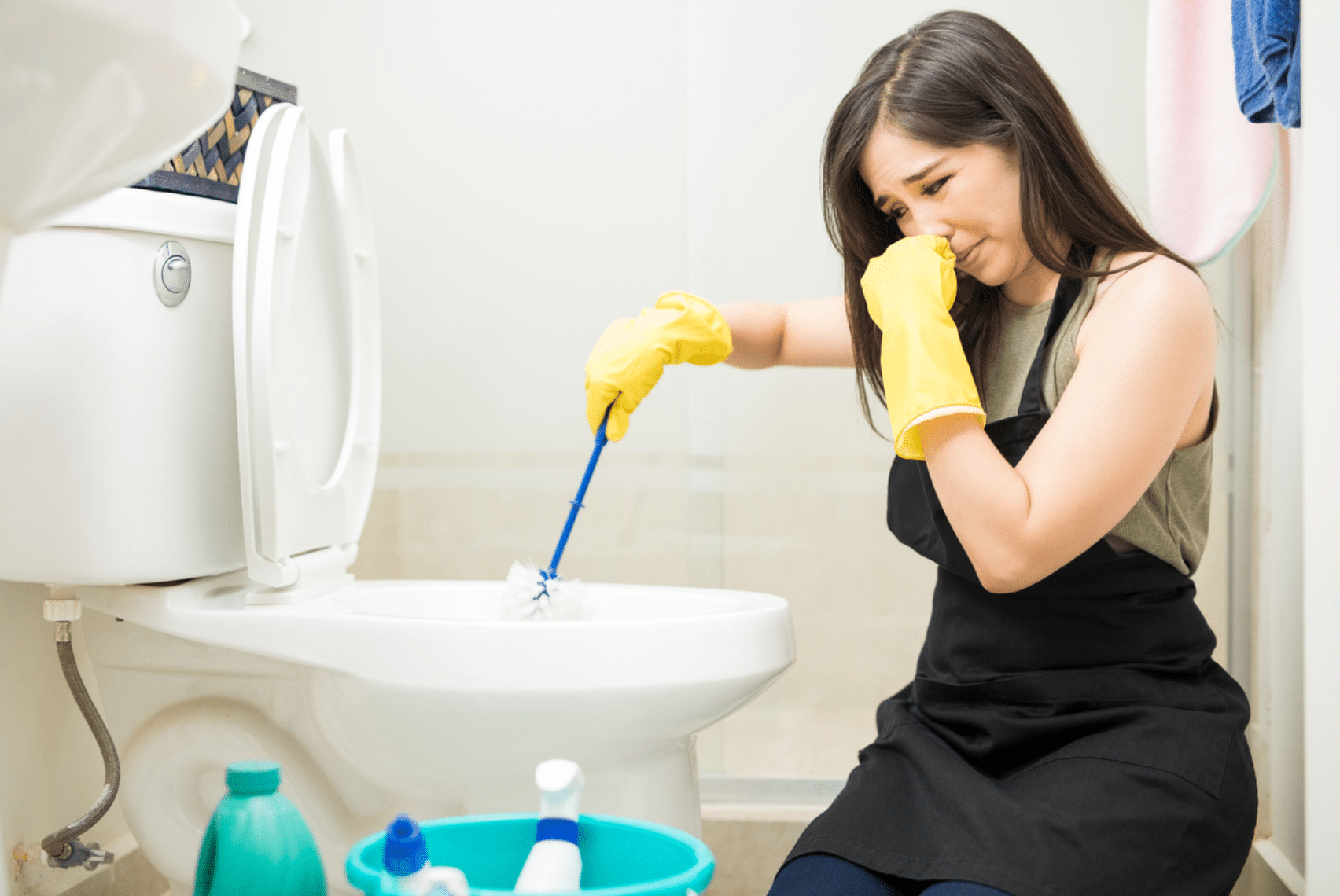
Few household problems are more unpleasant than persistent bathroom smells that won’t go away no matter how much you clean. You scrub, spray air freshener, light candles, and yet that lingering odor remains. The good news is that bathroom smells almost always have identifiable causes, and once you understand the source, you can eliminate them permanently.
At WaterWork Plumbing, we’ve helped Metro Detroit homeowners solve countless bathroom odor problems since 2006. Through our experience, we’ve learned that bathroom smells rarely indicate poor hygiene. Instead, they usually point to plumbing issues that create the perfect conditions for odor-causing bacteria. Let’s explore the most common causes of bathroom smells and how to fix them for good.
Understanding Why Bathroom Smells Occur
Before diving into specific solutions, it’s important to understand that most bathroom smells come from one of three sources: sewer gases, bacterial growth, or stagnant water. Each has distinct characteristics and requires different solutions.
Sewer gases produce that unmistakable rotten egg smell that seems to emanate from drains or toilets. These gases contain hydrogen sulfide and other compounds that aren’t just unpleasant; they can indicate plumbing problems that need attention.
Bacterial growth creates musty, mildew-like odors often associated with dampness. These bathroom smells intensify in humid conditions and indicate areas where water isn’t draining or drying properly.
Stagnant water produces stale, sometimes sulfuric odors when it sits too long in pipes, traps, or hidden areas. This is particularly common in guest bathrooms or rarely used fixtures.
Drain Traps: The Most Common Source of Bathroom Smells
The P-trap under your sink is designed to prevent bathroom smells from entering your home. This curved section of pipe holds water that creates a seal, blocking sewer gases from traveling up through your drain. When this water seal fails, bathroom smells follow immediately.
Dried Out P-Traps
If you’ve noticed bathroom smells coming from a guest bathroom or a sink you rarely use, dried out P-traps are likely the culprit. Water in the trap evaporates over time—usually within a few weeks if a fixture isn’t used. Once the water seal disappears, sewer gases flow freely into your bathroom.
The solution is remarkably simple: run water in all your bathroom fixtures for 30-60 seconds every couple of weeks. This refills the P-trap and restores the water seal. For fixtures you use infrequently, consider pouring a small amount of mineral oil into the drain after running water. The oil floats on the water surface and dramatically slows evaporation, maintaining the seal for months.
Damaged or Improperly Installed P-Traps
Sometimes bathroom smells persist even when you use the fixture regularly. This might indicate a cracked P-trap, loose connections that allow gases to escape, or an improperly installed trap that doesn’t hold water effectively.
Inspect the P-trap under your sink by looking inside the cabinet with a flashlight. Check for visible cracks, moisture around connections, or signs of leakage. If you find damage, the trap needs replacement; a straightforward job for a plumber but one that requires proper tools and knowledge to ensure the new trap seals correctly.
In older homes, we sometimes find P-traps that were installed incorrectly from the start, perhaps without proper slope or with connections that were never fully tightened. These issues can go unnoticed for years until bathroom smells finally become noticeable.
Toilet-Related Bathroom Smells
Toilets are another frequent source of bathroom smells, and the problems can range from simple fixes to issues requiring professional attention.
Wax Ring Failure
The wax ring seals the connection between your toilet and the drain flange in your floor. Over time, this ring can compress, crack, or deteriorate, allowing sewer gases to escape around the base of the toilet. If bathroom smells seem strongest near the toilet base, a failing wax ring is the likely cause.
You might also notice slight rocking when you sit on the toilet, moisture around the base, or water stains on the floor near the toilet. All of these signs point to wax ring problems.
Replacing a wax ring requires removing the toilet, cleaning the old wax completely, installing a new ring, and resetting the toilet with a proper seal. While experienced DIYers can handle this project, improper installation can lead to leaks and water damage. Most homeowners prefer professional installation to ensure the job is done right.
Clogged or Poorly Vented Toilets
Bathroom smells can also indicate partial clogs in your toilet’s internal passages or problems with your plumbing vent system. Modern toilets have built-in traps and passages that can accumulate mineral deposits, especially in areas with hard water like much of Metro Detroit.
If your toilet drains slowly, makes gurgling sounds, or requires multiple flushes, these clogs might be causing bathroom smells by preventing proper water flow and allowing stagnant water to sit in the passages.
Plumbing vents, the pipes that extend through your roof, allow sewer gases to escape outside rather than backing up through your drains. Blocked vents from bird nests, leaves, or ice can cause bathroom smells throughout your home, often accompanied by slow drainage and gurgling sounds from multiple fixtures.
Toilet Tank Issues
Sometimes bathroom smells originate from inside the toilet tank itself. Over time, bacteria and mold can grow in the tank, particularly if you use tank cleaning tablets or have minerals in your water. Remove the tank lid and smell; if the odor is stronger here, the tank needs cleaning.
Flush the toilet to drain most of the tank water, then scrub the interior with a toilet brush and white vinegar or a commercial toilet tank cleaner. Pay special attention to the flush valve, flapper, and tank walls where buildup accumulates.
Shower and Tub Drain Bathroom Smells
Shower and tub drains are notorious for producing bathroom smells because they collect soap scum, hair, skin cells, and other organic matter that bacteria love. This combination creates a biofilm, which is a slimy layer that produces foul odors as bacteria multiply.
Hair and Soap Buildup
If bathroom smells seem to come from your shower or tub drain, hair and soap buildup is probably the issue. Hair catches on drain components and creates a net that traps soap, body oils, and debris. This accumulation sits in the warm, moist environment of your drain, creating perfect conditions for odor-causing bacteria.
Remove the drain cover and look inside with a flashlight. You’ll often see visible hair and gunk within reach. Use a drain snake or a zip-it tool (an inexpensive plastic strip with barbs) to pull out the accumulated debris. You’ll be surprised how much material comes out, and how much this improves bathroom smells.
After removing visible buildup, flush the drain with very hot water to help dissolve soap residue. For ongoing maintenance, use a drain strainer to catch hair before it enters the drain.
Biofilm in Drain Pipes
Even after removing visible debris, bathroom smells might persist because biofilm has developed deeper in your drain pipes. This slimy bacterial layer clings to pipe walls and continues producing odors.
To address biofilm, you need to clean the entire drain line, not just the visible portion. Here’s an effective method:
Pour half a cup of baking soda down the drain, followed by one cup of white vinegar. The reaction will fizz and foam, helping to break down biofilm and organic matter. Let this sit for 30 minutes, then flush with very hot water for several minutes.
For stubborn bathroom smells, repeat this process or use an enzyme-based drain cleaner specifically designed to break down organic matter. Unlike harsh chemical drain cleaners, enzyme cleaners are safe for pipes and work specifically on the organic buildup causing odors.
Ventilation and Humidity: Hidden Causes of Bathroom Smells
Poor bathroom ventilation doesn’t just make showers uncomfortable; it creates conditions where bathroom smells thrive. Excess moisture allows mold and mildew to grow on surfaces and inside walls, producing musty odors that permeate the entire bathroom.
Exhaust Fan Problems
Your bathroom exhaust fan should remove humid air and odors during and after showers. If bathroom smells seem to linger or if you notice condensation on mirrors and walls long after showering, your fan isn’t working effectively.
Test your fan by holding a tissue near the vent while it’s running. The tissue should be drawn toward the vent. If it doesn’t, your fan is underpowered, clogged with dust and lint, or not properly vented to the outside.
Clean your exhaust fan by removing the cover and vacuuming dust from the fan blades and motor housing. If the fan still doesn’t pull effectively, it may need replacement. Modern exhaust fans are much more powerful and efficient than older models, and proper ventilation is crucial for preventing bathroom smells.
Run your exhaust fan during showers and for at least 20-30 minutes afterward to fully remove moisture from the air.
Hidden Moisture and Mold
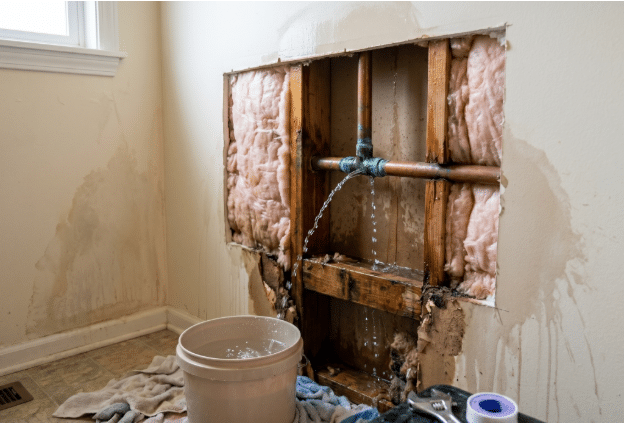
Sometimes bathroom smells come from places you can’t easily see—inside walls, under flooring, or in ceiling spaces. Water leaks from pipes, shower pans, or toilet seals can create hidden pockets of moisture where mold grows unseen.
If you’ve addressed all visible sources but bathroom smells persist, especially musty or mildew-like odors, hidden moisture damage might be the cause. Look for:
- Discolored or soft spots on walls or ceilings
- Bubbling or peeling paint
- Warped baseboards or flooring
- Visible mold growth in corners or along grout lines
These signs indicate moisture problems that require professional investigation. Hidden water damage won’t resolve on its own and often worsens over time, increasing both odors and repair costs.
Floor Drain Bathroom Smells
Many basements and older bathrooms have floor drains that are often forgotten until bathroom smells arise. Like sink P-traps, floor drains have trap seals that prevent sewer gases from entering your home. When these seals dry out, bathroom smells result.
Floor drains dry out even faster than sink traps because they typically have larger surface areas for evaporation and receive no regular water flow. If your bathroom has a floor drain and you’re experiencing bathroom smells, pour a gallon of water down the drain every month to maintain the trap seal.
For floor drains that dry out repeatedly, you can add a trap primer (a device that automatically adds water to the trap from your supply lines), or use the same mineral oil trick mentioned for sink drains.
When Professional Help Is Needed for Bathroom Smells
While many bathroom smells can be addressed with DIY solutions, some situations require professional plumbing expertise:
- Persistent bathroom smells that don’t respond to cleaning and maintenance likely indicate deeper plumbing issues like damaged vent pipes, main line problems, or hidden leaks.
- Multiple fixtures producing bathroom smells simultaneously often point to main line issues or vent problems affecting your entire plumbing system rather than individual fixture problems.
- Bathroom smells accompanied by slow drainage in multiple locations suggest more serious drainage or venting problems that need professional diagnosis.
- Suspected hidden leaks or water damage should always be evaluated by professionals who can use moisture meters and inspection cameras to locate problems without unnecessary demolition.
- Toilet repairs requiring removal like wax ring replacement are best handled by experienced plumbers to avoid leaks and water damage from improper installation.
At WaterWork Plumbing, we have the diagnostic tools and experience to identify the exact source of bathroom smells, even when the cause isn’t obvious. We use video camera inspections to examine drain lines, smoke tests to identify vent problems, and moisture detection equipment to find hidden leaks.
Preventing Future Bathroom Smells
Once you’ve eliminated current bathroom smells, prevention ensures they don’t return:
- Regular maintenance is key. Run water in all fixtures weekly, clean drains monthly with baking soda and vinegar, and inspect visible plumbing components for leaks or damage.
- Use drain strainers in showers and tubs to catch hair before it enters drains and creates the buildup that leads to bathroom smells.
- Run exhaust fans during and after showers to remove moisture that promotes bacterial growth and bathroom smells.
- Clean regularly beyond just surface cleaning. Periodically clean toilet tanks, P-traps, and areas around toilet bases where bacteria can accumulate.
- Address problems immediately. Small leaks, slow drains, or minor bathroom smells that you ignore will worsen over time. Early intervention prevents larger problems and eliminates odors before they become overwhelming.
- Schedule professional inspections. Annual plumbing inspections can identify developing problems before they cause bathroom smells or more serious damage. This is especially valuable in older homes where plumbing systems may have hidden issues.
Common Mistakes That Make Bathroom Smells Worse
In trying to eliminate bathroom smells, homeowners sometimes make mistakes that worsen the problem. One of the most common mistakes we see is using chemical drain cleaners excessively. This practice can damage pipes, especially older ones, and rarely address the root cause of bathroom smells. These products might temporarily mask odors but don’t remove the biofilm and buildup creating them.
Another issue is ignoring slow drains, as it allows buildup to worsen and bathroom smells to intensify. Address drainage problems promptly before they become serious clogs.
A third issue is neglecting ventilation by not using exhaust fans or blocking vents creates moisture problems that lead to mold and bathroom smells. Exhaust fans not only remove smells but they also reduce moisture in the bathroom, preventing mold growth.
Take Action Against Bathroom Smells Today
Persistent bathroom smells diminish your home’s comfort and can indicate plumbing problems that worsen over time. Whether the issue is a dried-out trap, damaged wax ring, clogged drain, or hidden leak, identifying and fixing the source eliminates odors permanently.
Many bathroom smells can be resolved with simple maintenance like running water in unused fixtures, cleaning drains, and ensuring proper ventilation. For problems that persist or seem to have no obvious source, professional diagnosis ensures you find and fix the real issue rather than masking symptoms.
WaterWork Plumbing has been helping Metro Detroit homeowners eliminate bathroom smells and solve plumbing problems since 2006. Our experienced plumbers can quickly diagnose odor sources, provide effective solutions, and give you the peace of mind that comes with a fresh, clean bathroom.
Don’t live with bathroom smells that make your home uncomfortable. Contact WaterWork Plumbing today at (248) 542-8022 for expert help identifying and eliminating bathroom odors for good. We offer comprehensive plumbing services throughout Metro Detroit, and we’re available 24/7 for plumbing emergencies that can’t wait.