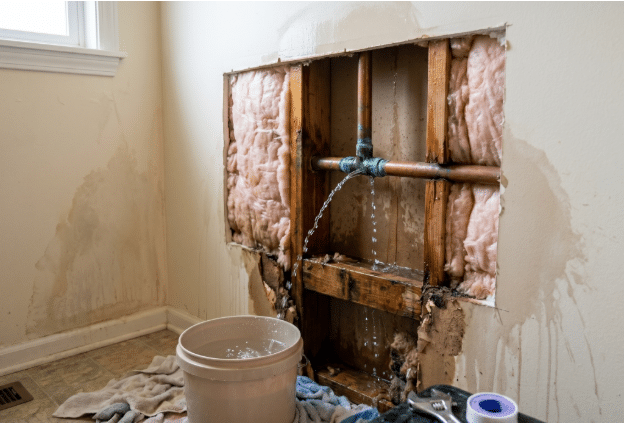
A burst pipe is one of the most stressful plumbing emergencies a homeowner can experience. Water can spread quickly, damaging floors, walls, furniture, and personal belongings in minutes.
In Michigan, burst pipes are especially common during winter cold snaps and sudden temperature changes. While professional repair is essential, what you do in the first few minutes can significantly reduce water damage and save thousands of dollars in repairs.
If you discover a burst pipe in your home, follow these five steps immediately while waiting for a plumber to arrive.
Step 1: Shut off the main water supply
The very first thing to do is shut off your home’s main water supply. This stops additional water from flowing into the broken pipe and limits further damage. Every homeowner should know where their main shutoff valve is located before an emergency happens. In most Michigan homes, the valve is found in the basement near the water meter, where the main line enters the house.
Turn the valve clockwise until it is fully closed. If you live in a condo or apartment, the shutoff may be located in a utility room or managed by the building. Acting quickly at this step is critical, as even a few extra minutes of flowing water can cause extensive damage.
Step 2: Turn off electricity in affected areas
Water and electricity are a dangerous combination. If the burst pipe is near electrical outlets, appliances, or your electrical panel, you should shut off power to the affected areas. If water is approaching outlets or extension cords, do not step into standing water to reach switches or breakers.
If it is safe to do so, turn off electricity at the breaker panel for the impacted rooms. This reduces the risk of electrical shock and protects appliances and wiring from damage. When in doubt, prioritize safety and wait for professionals.
Step 3: Drain remaining water from faucets
Once the main water supply is turned off, open all faucets in your home, both hot and cold. This helps drain any remaining water from the plumbing system and relieves pressure in the pipes. Flushing toilets can also help remove water from the system.
Draining the pipes reduces the chance of additional leaks and makes repairs easier once the plumber arrives. It also helps prevent water from continuing to drip from the burst pipe.
Step 4: Contain and remove standing water
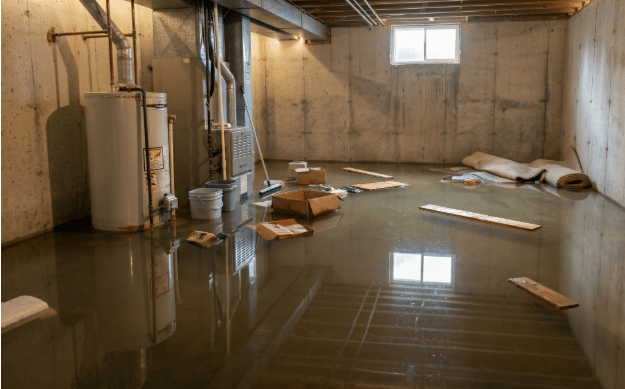
After stopping the water flow, focus on minimizing damage inside the home. Use towels, mops, buckets, or a wet/dry vacuum to remove as much standing water as possible. The faster water is removed, the lower the risk of warped floors, damaged drywall, and mold growth.
If water has reached carpeting, furniture, or storage items, move them to a dry area if it is safe to do so. Placing aluminum foil or wood blocks under furniture legs can help prevent staining and swelling. In winter, opening windows briefly or using fans can help with drying, but only if outdoor conditions allow.
Step 5: Call a licensed plumber immediately
Even if the water appears to be under control, a burst pipe always requires professional repair. A licensed plumber will locate the damaged section of pipe, perform a proper repair or replacement, and inspect surrounding areas for hidden leaks or freeze damage.
In Michigan homes, one burst pipe often signals others at risk, especially during extended cold weather. A plumber can assess whether additional preventative repairs are needed before restoring water to the system. Never turn the water back on until a professional confirms it is safe to do so.
Why fast action matters
When a pipe bursts, every minute counts. Water damage spreads quickly, and moisture trapped in walls or floors can lead to mold growth within days. Insurance claims for water damage often depend on how quickly homeowners respond to limit losses.
Having a clear plan in place before an emergency happens allows you to act calmly and confidently under pressure. Knowing where shutoff valves are located and having basic supplies on hand can make a major difference.
Preventing future burst pipes
After repairs are complete, it is worth discussing preventative measures with your plumber. Insulating exposed pipes, sealing air leaks, maintaining consistent indoor temperatures, and winterizing outdoor plumbing can all reduce the risk of future bursts. Older homes in Metro Detroit are especially vulnerable and benefit from proactive maintenance.
Contact Us for Quick Plumbing Service in Metro Detroit
A burst pipe is overwhelming, but fast, informed action can limit damage and speed up recovery. Shutting off the water, protecting electrical systems, draining pipes, containing water, and calling a professional plumber are the most important steps to take.If you experience a burst pipe in your home, Waterwork Plumbing provides immediate emergency service throughout Metro Detroit. A rapid response and professional repair can help protect your home and restore your plumbing safely.