When faced with a stubborn clog, most homeowners head straight to the hardware store for a bottle of drain cleaner. The promise of easy, chemical-powered solutions seems appealing when you’re dealing with a backed-up sink or slow-draining tub. But are these products as effective as advertised, and more importantly, are they safe for your plumbing system and family?
Understanding the different types of drain cleaners, their effectiveness, and their potential risks can help you make informed decisions about maintaining your home’s plumbing system. Let’s explore what’s really in those bottles under your kitchen sink and whether there are better alternatives for keeping your drains flowing smoothly.
Types of Drain Cleaners: What’s Really in the Bottle
Chemical Drain Cleaners
Caustic Drain Cleaners (Sodium Hydroxide/Lye-Based)
Products like Drano Max Gel and Liquid-Plumr contain sodium hydroxide or potassium hydroxide as their primary active ingredient. These caustic cleaners work by generating heat through chemical reactions, attempting to dissolve organic materials like hair, grease, and food particles.
Pros:
- Readily available at most stores
- Can be effective against organic clogs like hair and grease
- Relatively inexpensive
- Work relatively quickly on fresh, minor clogs
Cons:
- Generate dangerous heat that can damage PVC pipes
- Highly corrosive and dangerous to handle
- Can cause severe chemical burns if splashed on skin or eyes
- May create toxic fumes, especially when mixed with other chemicals
- Often ineffective against solid obstructions like toy cars or jewelry
- Can worsen clogs by pushing debris deeper into pipes
Acidic Drain Cleaners (Sulfuric Acid-Based)
These are the most aggressive chemical drain cleaners, typically containing sulfuric acid. They’re usually marketed for severe clogs and are often found in professional-grade formulations.
Pros:
- Extremely powerful against most organic materials
- Can dissolve some mineral buildups
- Fast-acting on appropriate clogs
Cons:
- Extremely dangerous to use and store
- Can cause serious injury or death if mishandled
- Highly corrosive to pipes, especially older metal plumbing
- Can damage septic systems and harm beneficial bacteria
- Environmental hazard requiring special disposal
- May react violently with other chemicals or materials
Oxidizing Drain Cleaners (Bleach-Based)
These cleaners use bleach or other oxidizing agents to break down organic matter. They’re generally less aggressive than caustic or acidic cleaners but still pose risks.
Pros:
- Less corrosive than caustic or acidic options
- Can help disinfect drains
- Safer to handle than stronger chemical alternatives
Cons:
- Limited effectiveness against major clogs
- Can create dangerous chlorine gas if mixed with other chemicals
- May damage rubber gaskets and seals over time
- Less environmentally friendly than natural alternatives
Enzymatic Drain Cleaners
Enzymatic cleaners use naturally occurring bacteria and enzymes to break down organic waste. Brands like Bio-Clean and Drain-FX fall into this category.
Pros:
- Safe for all types of plumbing
- Environmentally friendly
- Won’t harm septic systems
- Can provide ongoing maintenance benefits
- Safe around children and pets
- No toxic fumes or chemical burns risk
Cons:
- Work slowly, often requiring overnight treatment
- Ineffective against non-organic clogs
- More expensive than chemical alternatives
- Require multiple treatments for severe clogs
- Temperature sensitive (cold weather can reduce effectiveness)
The Hidden Costs of Chemical Drain Cleaners
Pipe Damage in Metro Detroit Homes
Many Metro Detroit homes were built between the 1940s and 1980s, featuring a mix of cast iron, galvanized steel, and early PVC plumbing systems. Chemical drain cleaners can be particularly damaging to these older systems:
- Cast Iron Pipes: Acidic cleaners accelerate corrosion in cast iron, leading to premature pipe failure and expensive replacements.
- PVC Pipes: The heat generated by caustic cleaners can soften PVC joints, causing leaks and structural damage.
- Galvanized Steel: Chemical cleaners can strip protective coatings, accelerating rust and reducing pipe lifespan.
Environmental and Health Concerns
Chemical drain cleaners don’t just disappear after use. They enter water treatment systems and can impact local waterways. In Metro Detroit, where water quality is already a concern for many residents, adding harsh chemicals to the waste stream compounds environmental challenges.
The fumes from chemical drain cleaners can aggravate respiratory conditions, particularly problematic in tightly sealed modern homes with limited ventilation. Children and pets are especially vulnerable to accidental exposure.
When Chemical Cleaners Make Problems Worse
Professional plumbers frequently encounter situations where chemical drain cleaners have worsened the original problem. The chemicals can:
- Push clogs deeper into the system
- Create hardened masses when mixed with grease or soap
- Corrode pipes to the point where simple repairs become major replacements
- Make professional cleaning more dangerous due to chemical residue
Safer Alternatives to Chemical Drain Cleaners
Mechanical Solutions
- Plungers: Often overlooked for sinks and tubs, a good-quality plunger can clear many clogs without chemicals. Use a flat-bottom plunger for sinks and a flanged plunger for toilets.
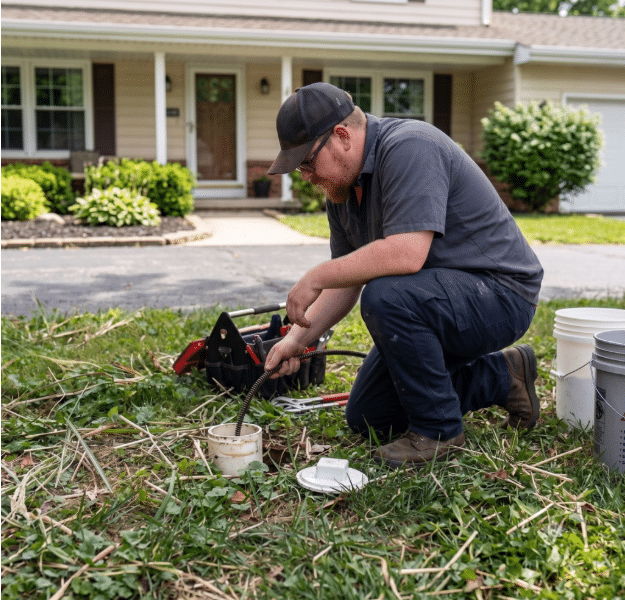
- Drain Snakes/Augers: Manual drain snakes can physically remove hair, soap buildup, and other debris. They’re reusable, safe for pipes, and highly effective.
- Wet/Dry Vacuum: For accessible clogs, a shop vacuum can sometimes pull out debris that’s causing blockages.
Natural Cleaning Methods
- Baking Soda and Vinegar: This classic combination creates a fizzing action that can help break up minor clogs. Pour one cup of baking soda followed by one cup of vinegar, cover the drain for 30 minutes, then flush with hot water.
- Hot Water Flush: Sometimes the simplest solution is the most effective. Very hot (not boiling) water can dissolve soap buildup and flush away loose debris.
- Dish Soap and Hot Water: A few tablespoons of grease-cutting dish soap followed by hot water can be effective against grease clogs in kitchen sinks.
Professional Tools and Techniques
When DIY methods aren’t sufficient, professional plumbers have access to tools and techniques that are both more effective and safer than chemical cleaners:
- Hydro-Jetting: High-pressure water systems can clear even stubborn clogs while cleaning pipe walls.
- Professional Augers: Motorized drain snakes can reach further and handle tougher clogs than manual versions.
- Video Inspection: Camera systems allow plumbers to identify the exact cause and location of clogs, ensuring appropriate treatment.
Prevention: The Best Drain Cleaning Strategy
The most effective drain cleaning strategy is prevention. Simple habits can prevent most clogs from forming:
- Avoid pouring grease down drains, use sink strainers to catch food particles, and run hot water after each use.
- Install hair catchers in tub and shower drains, avoid flushing inappropriate items, and regularly clean visible debris.
- Monthly hot water flushes and periodic enzymatic treatments can prevent buildup before it becomes problematic.
When to Call Waterwork Plumbing
While many minor clogs can be handled with safe, natural methods, some situations require professional intervention:
- Recurring clogs in the same drain
- Multiple drains are backing up simultaneously
- Sewage odors coming from drains
- Water backs up in other fixtures when one is used
- Any situation where chemical cleaners have been used unsuccessfully
Professional plumbers have the tools, experience, and knowledge to handle complex drainage issues safely and effectively. At Waterwork Plumbing, we’ve helped countless Metro Detroit homeowners resolve drainage problems without resorting to harmful chemicals.
The Bottom Line on Drain Cleaners
Chemical drain cleaners aren’t inherently evil, but they’re often unnecessary and potentially harmful. For most residential clogs, mechanical methods and natural alternatives are safer, more environmentally friendly, and often more effective. When prevention and simple solutions aren’t sufficient, professional drain cleaning services provide the most reliable results without risking damage to your plumbing system or your health.
Remember, your home’s plumbing system is an investment worth protecting. Before reaching for harsh chemicals, consider whether gentler alternatives might solve your problem just as effectively. Your pipes, your family’s health, and the environment will thank you for making more thoughtful choices about drain maintenance.
For persistent drain problems or professional advice on maintaining your Metro Detroit home’s plumbing system, contact Waterwork Plumbing at waterworkplumbing.com. Our experienced plumbers can provide safe, effective solutions that protect both your plumbing and your peace of mind.