Dealing with a clogged drain is one of the most common plumbing issues homeowners face. Whether it’s your kitchen sink, bathroom shower, or tub that’s backing up, a clogged drain can disrupt your daily routine and potentially lead to more serious plumbing problems if left untreated. At Waterwork Plumbing, we want to help you address these issues quickly and effectively.
This comprehensive guide will walk you through proven DIY methods to clear your drains and help you recognize when it’s time to call in our professional plumbing team.
Understanding Why Drains Clog
Before diving into solutions, it helps to understand why drains clog in the first place. Common causes include:
- Hair accumulation in bathroom drains
- Food particles and grease buildup in kitchen sinks
- Soap scum that gradually narrows pipe openings
- Foreign objects accidentally washed down drains
- Mineral buildup from hard water
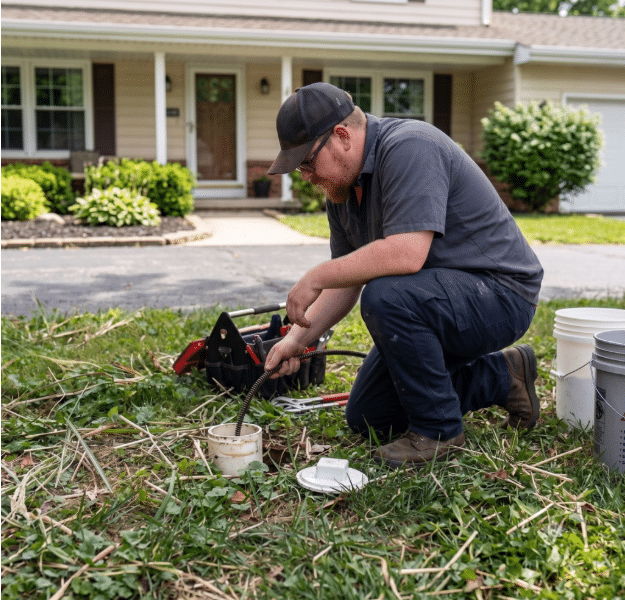
- Tree root intrusion in outdoor drainage lines
- Toilet paper or non-flushable items in toilet drains
Most minor clogs can be resolved with simple DIY methods, while more serious blockages may require professional intervention.
First-Line Solutions: Plunging and Drain Cleaners
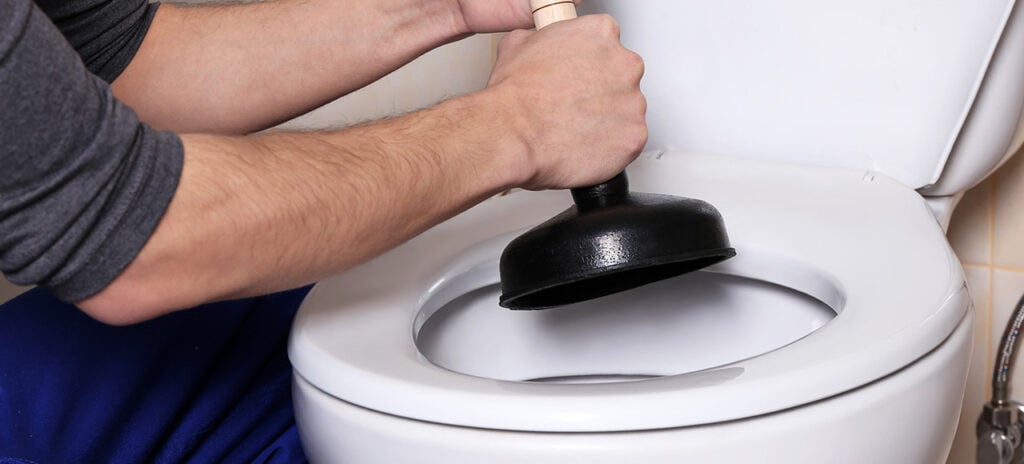
The Proper Plunging Technique
When faced with a clogged drain, a plunger should be your first course of action:
- Choose the right plunger type:
- Cup plungers (with a flat bottom) work best for sinks and tubs
- Flange plungers (with an extended rubber lip) are designed for toilets
- Create a proper seal:
- For sinks with overflows, cover the overflow opening with a damp cloth
- Ensure there’s enough water to cover the plunger cup
- Apply petroleum jelly to the rim for a better seal if needed
- Use proper technique:
- Position the plunger directly over the drain opening
- Push down firmly, then pull up sharply without breaking the seal
- Repeat 5-10 times in quick succession
- Check if water begins to drain normally
The suction and pressure created by proper plunging can dislodge many common clogs, restoring proper flow without the need for harsh chemicals.
Selecting the Right Drain Cleaner
If plunging doesn’t resolve the issue, drain cleaners can be an effective next step:
Types of Drain Cleaners:
- Chemical Drain Cleaners:
- Work quickly on hair and grease clogs
- Contain strong chemicals like sodium hydroxide or sulfuric acid
- Can damage pipes with repeated use, especially older pipes
- Not environmentally friendly
- Require careful handling with gloves and eye protection
- Enzymatic/Bacterial Cleaners:
- Use natural bacteria and enzymes to break down organic matter
- Safer for pipes and the environment
- Work more slowly (often overnight) but are gentler
- Good for preventative maintenance
- Safe for septic systems
- Oxidizing Cleaners:
- Use chemicals like bleach, peroxides, and nitrates
- Release oxygen to break down organic material
- Less harsh than caustic or acidic cleaners
Important Safety Tips:
- Always read and follow manufacturer’s instructions
- Never mix different drain cleaners or cleaning products
- Ensure proper ventilation when using chemical products
- Store all cleaners out of reach of children and pets
- Wait the full recommended time before flushing with water
Advanced DIY Methods for Stubborn Clogs
Cleaning the P-Trap
The P-trap is the curved pipe section under your sink that often catches debris. Cleaning it can resolve many clogged drains:
- Place a bucket beneath the trap to catch water and debris
- Use a wrench to loosen the slip nuts at both ends of the P-trap
- Remove the P-trap and clean out any accumulated debris
- Check for signs of corrosion or damage while the trap is removed
- Reattach the P-trap, ensuring connections are tight but not over-tightened
- Run water to check for leaks and proper drainage
Using a Plumber’s Snake (Drain Auger)
A plumber’s snake is a flexible tool designed to reach deep into drains to break up or retrieve clogs:
- Insert the end of the snake into the drain opening
- Turn the handle clockwise while pushing the cable into the drain
- When you feel resistance (the clog), rotate the snake while applying gentle pressure
- Continue until you feel the clog break up or the snake passes through it
- Slowly withdraw the snake, which may bring debris with it
- Flush with hot water to clear any remaining debris
Natural Homemade Solutions
For those who prefer non-chemical approaches, try these effective natural remedies:
Baking Soda and Vinegar Method:
- Pour one cup of baking soda directly into the drain
- Follow immediately with one cup of white vinegar
- The resulting chemical reaction creates bubbling that helps break up clogs
- Cover the drain to contain the reaction for 15-30 minutes
- Flush with a full kettle of boiling water
- Repeat if necessary
Hot Water, Salt, and Baking Soda:
- Mix 1/2 cup of salt with 1/2 cup of baking soda
- Pour the mixture down the drain
- Follow immediately with boiling water
- Let sit for several hours or overnight for best results
- Flush with hot water
Specialized Solutions for Different Drains
Kitchen Sink Clogs
Kitchen sinks face unique challenges due to food particles, grease, and oils:
- Use your garbage disposal: Run cold water and activate your disposal to clear minor blockages. Never use hot water with the disposal as it can cause grease to congeal further down the pipes.
- Clean disposal blades: Drop ice cubes and citrus peels into the disposal, run cold water, and activate to clean and deodorize the blades.
- Remove and clean the drain stopper: Food particles often accumulate around the sink stopper mechanism.
- Prevent future clogs: Install a drain strainer to catch food particles and avoid pouring grease or oil down your drain.
Bathroom Drain Clogs
Hair and soap scum are the primary culprits in bathroom drain clogs:
- Remove visible hair: Use a bent wire hanger or specialized hair removal tool to pull hair from the drain opening.
- Clean the stopper mechanism: Most bathroom sinks and tubs have pop-up stoppers that collect hair and debris. Remove and clean these regularly.
- Prevent future clogs: Install drain covers specifically designed to catch hair before it enters the drain.
- Maintenance cleaning: Once a month, pour boiling water down drains to dissolve soap scum buildup.
When to Call Waterwork Plumbing
While many clogs can be resolved with DIY methods, some situations warrant professional attention:
- Multiple drains clogged simultaneously (indicates a main line issue)
- Recurring clogs despite proper cleaning
- Unusual odors coming from drains
- Water backing up into other fixtures when using water
- Gurgling sounds in pipes when drains are used
- Slow drainage throughout the house
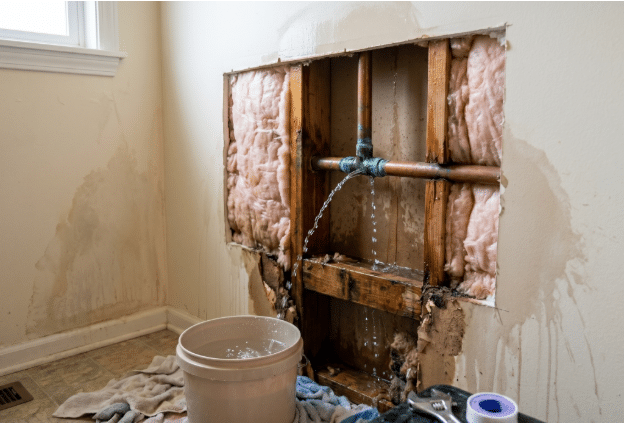
- Flooding or water damage near drains
- Older homes with fragile plumbing systems
- Failed DIY attempts to clear the clog
Our professional plumbers have specialized equipment that can handle even the most stubborn clogs without damaging your plumbing system:
- Video camera inspection to locate and identify the exact cause
- Hydro-jetting for powerful, comprehensive pipe cleaning
- Motorized drain augers that can reach deep into your plumbing system
- Expertise to address underlying issues contributing to recurring clogs
Preventative Maintenance Tips
Prevent future clogged drains with these simple practices:
- Be mindful of what goes down drains: Avoid washing coffee grounds, eggshells, pasta, rice, and fibrous vegetables down kitchen drains
- Use drain strainers in all sinks, showers, and tubs
- Run hot water after each sink use to prevent buildup
- Flush drains monthly with boiling water
- Schedule annual professional drain cleaning to remove buildup before it causes problems
- Consider enzymatic treatments monthly for preventative maintenance
- Pour 1/2 cup baking soda followed by 1/2 cup vinegar down drains monthly, followed by hot water after 30 minutes
Trust Waterwork Plumbing for All Your Clogged Drain Needs
While DIY methods can resolve many common clogs, Waterwork Plumbing is always ready to help with more challenging drainage issues. Our professional plumbers have the tools, training, and experience to diagnose and fix any drain problem quickly and effectively.
Don’t let clogged drain problems disrupt your daily routine or damage your home. For stubborn clogs, recurring issues, or whole-house drainage problems, our team provides fast, reliable service throughout the Metro Detroit area.
Contact Waterwork Plumbing at 248-542-8022 to schedule a professional drain cleaning or visit our website for more information about our comprehensive plumbing services.