Water softeners have become increasingly popular among homeowners dealing with hard water issues, but like any home improvement investment, they come with both significant benefits and potential drawbacks. Understanding these trade-offs helps you make an informed decision about whether a water softener is a good option for your specific situation and budget.
Hard water affects millions of homes across the United States, particularly in regions with high mineral content in groundwater sources. The United States Geological Survey uses the following classification to determine the hardness level of water:
| Classification | mg-CaCO3/L (ppm) |
| Soft | 0–60 |
| Moderately hard | 61–120 |
| Hard | 121–180 |
| Very hard | ≥ 181 |
The Great Lakes region, including Metro Detroit, commonly experiences hard water due to natural limestone and mineral deposits that add calcium and magnesium to the water supply. By this classification, many neighborhoods in the Metro Detroit area have hard to very hard water. While hard water poses no health risks, it can create expensive problems for plumbing systems, appliances, and daily household routines.
How Water Softeners Work
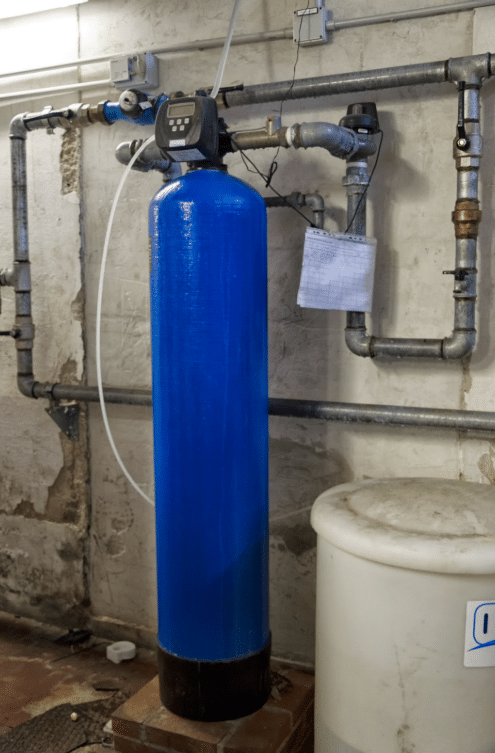
Most residential water softeners use an ion exchange process where hard water passes through resin beads charged with sodium ions. As water flows through the system, calcium and magnesium ions attach to the resin beads while sodium ions are released into the water supply.
The system periodically regenerates by flushing the resin beads with a concentrated salt solution, removing the accumulated calcium and magnesium, and recharging the system with fresh sodium ions. This regeneration process typically occurs automatically based on water usage or time intervals.
The Advantages of Water Softeners
Extended Appliance Lifespan
Water softeners can significantly extend the life of water-using appliances throughout your home. Hard water causes mineral buildup inside water heaters, dishwashers, washing machines, and other appliances, reducing their efficiency and shortening their operational life.
Water heaters particularly benefit from soft water, as calcium and magnesium deposits create insulation layers on heating elements that force them to work harder and consume more energy. A water softener can extend water heater life by 30-50% while improving efficiency by up to 29%. For a typical water heater costing $1,500-$3,000 to replace, this represents substantial savings over time.
Dishwashers and washing machines also perform better with soft water, experiencing fewer mechanical problems and requiring less frequent repairs. The reduced mineral buildup keeps internal components functioning properly while maintaining optimal water flow throughout the appliance.
Improved Plumbing System Performance
Soft water helps maintain your home’s plumbing system by preventing scale buildup inside pipes and fixtures. Over time, hard water deposits can significantly reduce pipe diameter, leading to decreased water pressure and potentially expensive repiping projects.
Faucets, showerheads, and fixture aerators stay cleaner longer with soft water, requiring less frequent cleaning and replacement. The reduced mineral buildup also means better water flow and pressure throughout your home’s plumbing system.
For homes with existing scale buildup, installing a water softener can gradually help dissolve some existing deposits, potentially improving water pressure and flow over time.
Better Soap and Detergent Performance
Soft water dramatically improves the effectiveness of soaps, shampoos, and detergents. Hard water interferes with soap’s ability to create lather and can leave residue on skin, hair, dishes, and clothing. With soft water, you’ll typically use 50-75% less soap and detergent while achieving better cleaning results.
In dishwashers, soft water eliminates spotting and film on glassware and dishes, reducing the need for rinse aids and special detergents. Laundry comes out cleaner and softer, with colors staying brighter longer. Clothing and linens also feel softer and last longer without the harsh mineral deposits that can make fabrics stiff and scratchy.
Reduced Cleaning and Maintenance
Homes with soft water require significantly less cleaning time and effort. Without hard water minerals, soap scum buildup becomes minimal, making bathroom and kitchen cleaning much easier. Shower doors, tubs, and sinks stay cleaner longer and require less scrubbing to maintain their appearance.
Disadvantages of Water Softeners
Increased Sodium Content
One of the most significant concerns with water softeners is the addition of sodium to your household water supply through the ion exchange process. Each 8-ounce glass of softened water typically contains 20-40 mg of sodium, which may seem minimal compared to a slice of bread (150 mg), but can accumulate for people who consume large amounts of tap water daily. This increased sodium content poses particular risks for individuals with heart disease, high blood pressure, or kidney problems, who are often advised to limit sodium intake. People following low-sodium diets should consult with their physicians before installing water softeners to ensure the additional sodium won’t interfere with their health management plans.
Environmental Impact
Water softeners create environmental concerns through their regular regeneration process, which discharges salt-laden wastewater that can negatively impact septic systems and the surrounding environment. The high sodium content in this discharge can harm soil composition and damage vegetation if released through septic systems or storm drains. Additionally, each regeneration cycle uses between 25-65 gallons of water, contributing to overall household water consumption. These environmental concerns have led some municipalities to restrict or completely ban traditional salt-based water softeners, requiring homeowners to seek alternative treatment methods or install more environmentally friendly systems.
Ongoing Costs and Maintenance
Water softeners require consistent financial investment beyond the initial purchase and installation. Homeowners must regularly purchase and add salt to the system, typically costing $5-$15 per month, depending on water hardness levels and household size. Over the system’s 15-20 year lifespan, major components like resin tanks, control valves, and brine tanks may need replacement, adding costs to long-term ownership. Professional servicing requirements ensure optimal performance but contribute to ongoing expenses that many homeowners underestimate when making their initial purchase decision.
Installation Challenges
Installing a water softener involves significant complexity and expense beyond the equipment cost itself. The installation process requires electrical connections for the control system, proper drainage for regeneration cycles, and modifications to the home’s main water line. Homes without suitable installation locations may need additional modifications or alternative system configurations, further increasing project costs and complexity.
Space and Equipment Requirements
Water softener systems demand considerable space within the home, typically requiring installation in basements, utility rooms, or garages where they can accommodate the main softening unit, salt storage tank, and associated plumbing connections. The total footprint can be substantial, making installation challenging in smaller homes or those with limited utility space. Homes lacking appropriate installation areas may require creative solutions or alternative system types, both of which can significantly increase overall project costs and complexity.
Taste and Feel Changes
Many people notice significant changes in water taste and feel after installing a water softener, which can require a substantial adjustment period for household members. Softened water often tastes slightly salty and feels “slippery” or different during bathing and showering, leading some people to feel they cannot rinse soap and shampoo off completely. These changes extend to cooking applications, where soft water can alter the texture of bread dough, affect pasta cooking water, and change other recipes that rely on specific mineral content for optimal results. Some family members may never fully adapt to these changes, preferring the taste and feel of hard water for drinking and personal care activities.