Few things derail a morning like standing ankle-deep in cold water because the tub will not drain. A clogged bathtub drain is one of the most common calls we get from homeowners across Metro Detroit, and there is a reason for that. Southeast Michigan has notoriously hard water, and the minerals in it combine with soap, shampoo, and hair to build stubborn gunk inside your pipes. Add in the older drain lines found in many area homes and you have a recipe for slow, backed-up tubs.
The good news is that most clogs are fixable without calling anyone. Below are five reliable ways to unclog a bathtub drain, starting with the gentlest and working up to the tools the pros reach for. If none of them do the trick, the clog is probably deeper than a DIY fix can reach, and that is when it makes sense to bring in help.
Prefer to watch first? Here is a quick walkthrough of how to unclog a bathtub drain before we get into the details.
What Causes a Clogged Bathtub Drain?
Knowing what you are up against makes it easier to pick the right fix. The vast majority of bathtub drain clogs come from a familiar combination: hair, soap scum, and body oils that cling to the inside of the pipe and slowly narrow the opening. Long hair is especially good at catching on the crossbars of a drain and trapping everything else behind it.
Hard water makes it worse. Southeast Michigan sits on some of the harder water in the country, and the dissolved calcium and magnesium leave behind scale that gives soap residue something to stick to. In older Metro Detroit homes with original galvanized or cast iron drain lines, that buildup accumulates faster because the pipe walls are already rougher than modern PVC. All of this means a bathtub drain clog rarely appears overnight; it builds gradually until one day the water stops going down.
1. Start with Boiling Water
Soap and shampoo residue is the most common cause of a bathtub drain clog, and it responds well to heat. Boil a full pot of water on the stove and pour it slowly down the drain in two or three stages, giving it a few seconds between pours to work.
This will not touch a clog made of matted hair, but it dissolves soap buildup quickly and is the easiest thing to try first. If the water starts draining faster afterward, you are on the right track. If nothing changes, move on to the next method.
2. Reach for a Plunger
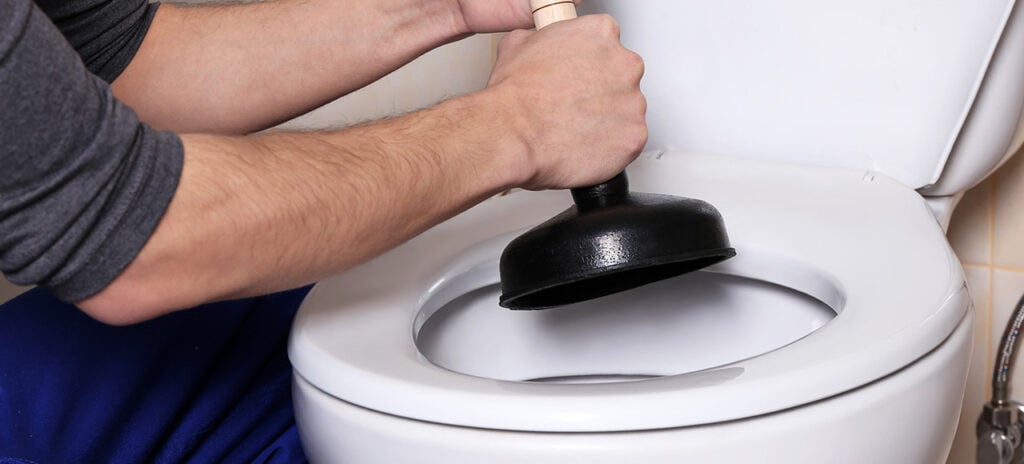
A plunger is one of the most effective tools for a clogged bathtub drain, and most homes already have one. Success depends on the type of clog and getting a good seal. Run enough water in the tub to cover the head of the plunger, then plunge firmly and repeatedly. A thin smear of petroleum jelly around the rim helps create a tighter seal.
One tip specific to tubs: cover the overflow drain (the opening below the faucet) with a wet rag while you plunge. Otherwise the pressure escapes through it and you lose most of your force. Use a standard cup plunger here rather than the flanged type made for toilets.
3. Try Baking Soda and Vinegar
Store-bought chemical drain cleaners are hard on older pipes, and plenty of Metro Detroit homes still have original plumbing that does not need the extra wear. Baking soda and vinegar is a gentler option that works well on mild to moderate buildup. Pour a cup of baking soda down the drain and let it sit for 5 to 10 minutes, which also helps cut any lingering odor.
Follow it with a cup of white vinegar and let the two react for another 10 minutes. Finish with a kettle of hot water to flush everything through. It is not powerful enough for a serious blockage, but for a sluggish drain it often does the job.
4. Remove the Clog by Hand
Sometimes the fastest fix is the most direct one. Put on a pair of rubber or latex gloves, then remove the drain cover, which may be held on by a screw or two. Shine a flashlight down the opening and look for the culprit, which is usually a wad of hair and soap scum sitting just below the surface.
If you can reach it, pull it out by hand or with a pair of needle-nose pliers or a bent wire. Clearing this out every few weeks keeps a clogged bathtub drain from coming back. A simple hair-catching strainer over the drain is the cheapest insurance you can buy against future clogs.
5. Use a Drain Snake
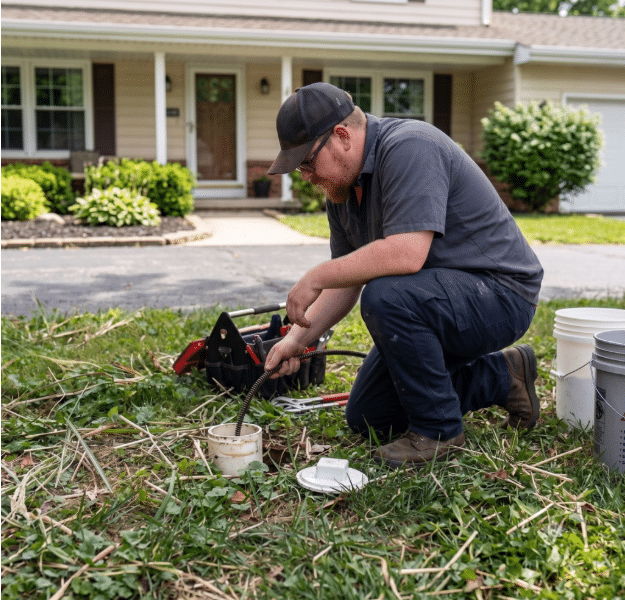
When the clog sits deeper in the line, a drain snake (also called a plumber’s snake or auger) is the tool to reach it. You can pick one up at any hardware store. Feed the cable slowly down the drain until you meet resistance, then turn the handle to break through or hook the blockage. Pull it back out, clean off whatever came with it, and run water to confirm the drain flows freely.
Keeping an inexpensive snake at home is smart if you deal with recurring clogs. Just work gently, since forcing a snake through older or corroded pipes can do more harm than good.
How to Keep a Bathtub Drain from Clogging Again
Clearing the clog is only half the battle. A little prevention keeps you from repeating the whole process next month. Drop an inexpensive hair strainer over the drain and empty it regularly; it catches the hair that causes most clogs before it ever reaches the pipe. Once a week, run hot water down the drain for a minute to flush loose soap residue before it hardens. Every month or two, the baking soda and vinegar treatment from above works well as routine maintenance, not just as a fix. And if you have hard water, a water softener not only protects your fixtures and water heater but also slows the scale buildup that feeds a clogged bathtub drain in the first place.
When to Call a Metro Detroit Plumber
If you have worked through all five methods and the water still pools, or if more than one drain in the house is backing up at the same time, the problem is likely further down your main line rather than in the tub itself. That is beyond what a home snake or a pot of boiling water can handle, and pushing harder risks damaging your plumbing.
WaterWork Plumbing has cleared thousands of drains across Metro Detroit, and we can locate and remove a stubborn clog without tearing up your bathroom. If your bathtub drain is clogged and nothing seems to work, contact us or call (248) 542-8022 and we will get your water flowing again.