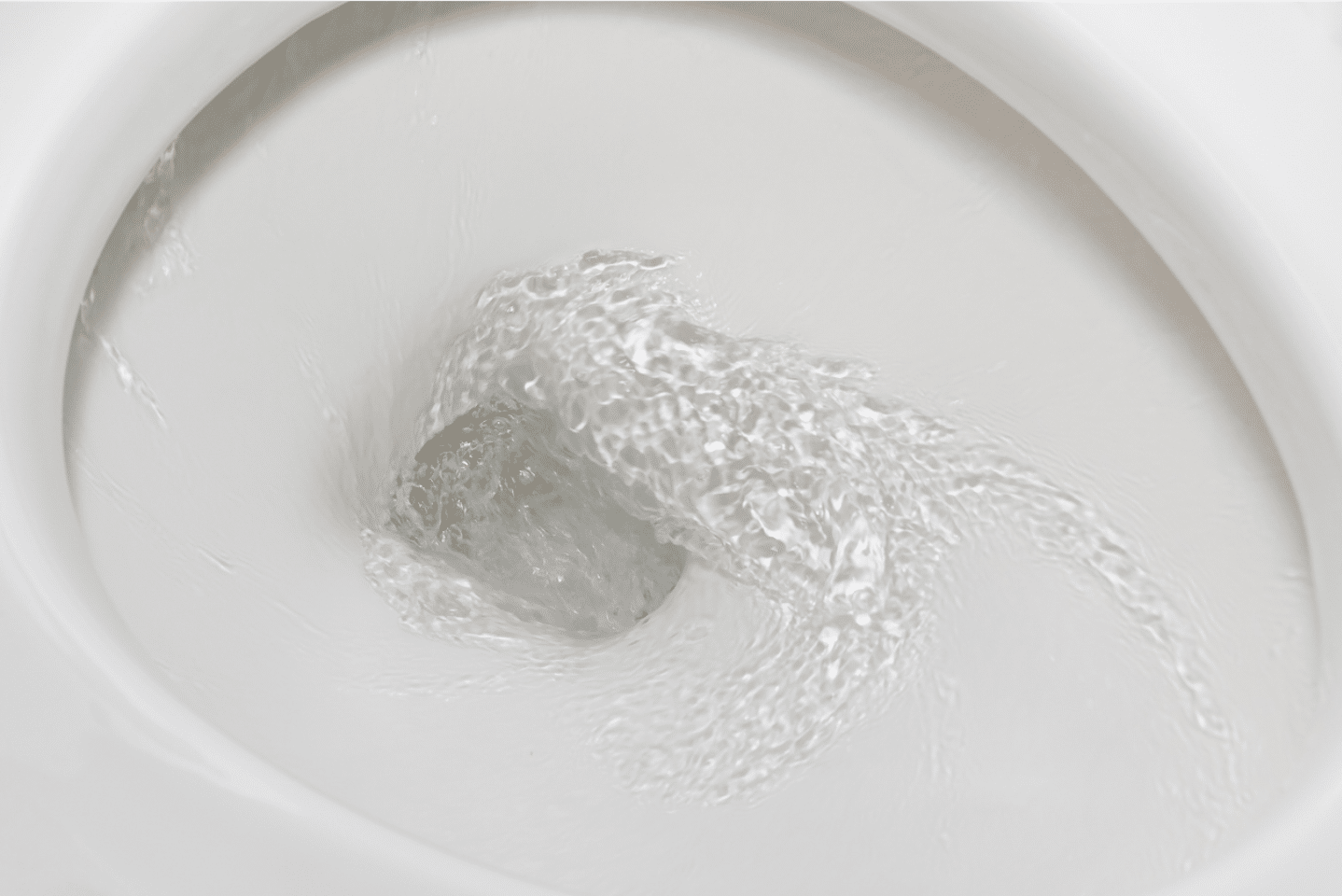
A toilet that flushes slowly is a fairly common issue that we get called about a lot in the Metro Detroit area. Most people assume a slow toilet flush means there is a clog somewhere in the drain. Sometimes that is true. But it could also mean something else going on entirely, and chasing the wrong cause means the problem never gets fixed.
Here is a look at the reasons behind slow or weak flushes, including a few that routinely get overlooked.
Hard Water and Mineral Buildup in the Rim Jets
Metro Detroit’s water supply is relatively hard compared to other parts of Michigan, and over time that hardness leaves calcium and mineral deposits inside your toilet. Under the rim of your toilet bowl, there are small holes called rim jets. Water flows through these holes during a flush to clean the bowl and build the circular pressure needed to push waste down the drain.
When those jets get clogged with mineral deposits, the flush weakens. You’ll often notice the water trickling in from one or two spots instead of spiraling around the whole bowl. A flashlight and a mirror can help you see the jets. If they look orange-brown or whitish with buildup, that is likely contributing to your weak flush.
Cleaning them requires a small tool or wire to break up the deposits, along with a descaling solution left to sit overnight. This is one of the most commonly missed fixes, and it requires no new parts.
The Water Level in the Tank Is Too Low
A toilet needs a specific amount of water in its tank to produce a strong flush. If the float is adjusted too low or the fill valve is not allowing the tank to fill completely, you will not get enough water volume for a full flush.
Check the inside of the tank. The water level should sit about an inch below the top of the overflow tube. If it is sitting lower than that, you can adjust the float upward on most modern toilets with a simple turn of the adjustment screw. On older ballcock-style fill valves, which are still common in older Detroit homes, you bend the float arm slightly upward. This takes five minutes and costs nothing.
A Warped or Worn Flapper
The flapper is the rubber seal at the bottom of the tank that lifts when you flush and drops back down to allow the tank to refill. When the flapper is warped, stiff, or coated with mineral buildup, it does not open fully or hold a proper seal.
A flapper that does not open all the way restricts how much water enters the bowl during a flush. A flapper that does not seal properly causes the tank to lose water constantly, so it never fills completely before the next flush.
Flappers cost a few dollars at any hardware store and are straightforward to replace. If your toilet is running intermittently or you can hear a quiet hissing sound between flushes, a bad flapper is almost certainly part of the problem.
A Partial Clog in the Trap
The toilet trap is the curved section built into the base of the toilet. Its job is to hold a small amount of water that blocks sewer gases from entering your home. It is also one of the first places waste can get caught before reaching the drain line.
A partial trap clog will not completely block a flush, but it will slow it noticeably. Tissue paper, sanitary products, thick paper towels, and even excessive toilet paper can accumulate in the trap without fully blocking it.
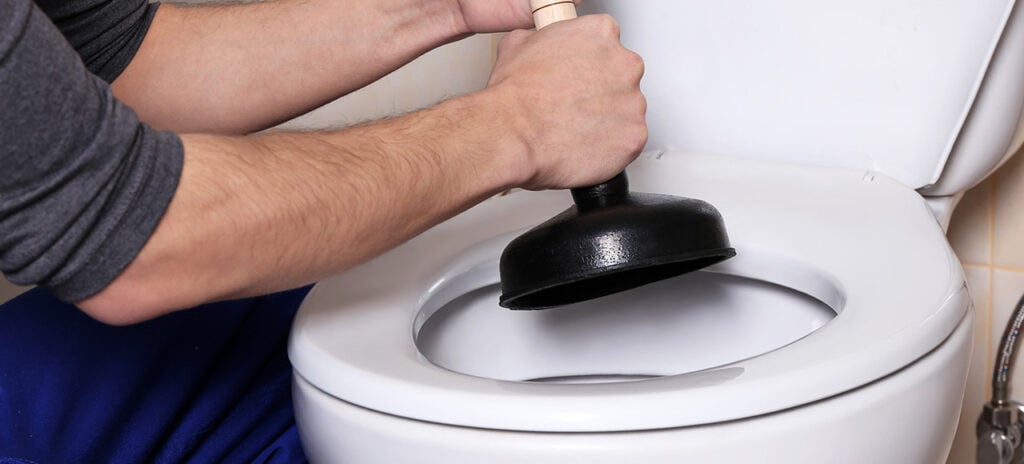
A plunger with a good flange creates the suction needed to dislodge a trap clog. If plunging does not clear it, a toilet auger (also called a closet snake) can reach further into the trap to break up or retrieve the obstruction.
A Blocked Plumbing Vent
Every drain in your home connects to a vent pipe that runs through the roof. That vent allows air into the drain system so water can flow freely. The same reason you put your finger over a straw and the liquid stays in until you lift your finger.
When that vent pipe gets blocked by leaves, debris, a bird nest, or even ice during a Michigan winter, your drains do not get the air pressure they need. A toilet flush will be sluggish, and you may hear a gurgling sound from other drains nearby.
Vent blockages are most common in older Detroit homes where the vent pipes are narrower or have deteriorated enough to collect debris more easily. A plumber with a drain camera or a roof inspection can confirm this quickly.
Issues Further Down the Line
If you have checked all of the above and the flush is still weak, the issue may not be in the toilet at all. A partial blockage or buildup in the drain line below the toilet can restrict flow enough to cause sluggish flushing without fully stopping it.
This is especially relevant in Metro Detroit homes built before the 1980s, where cast iron or clay drain lines may have significant buildup, offset joints, or root intrusion that reduces the effective diameter of the pipe over time.
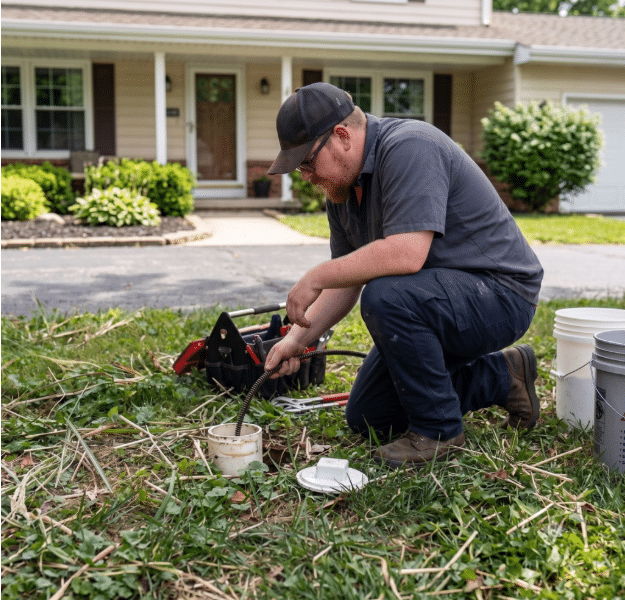
In cases like these, a video camera inspection of the drain line is the only reliable way to see what is happening. It removes the guesswork and tells you exactly where the problem is before any work begins.
When to Call a Plumber
A slow toilet might not seem like a big deal to most, which is why so many homeowners put off dealing with it. But a weak flush often signals an issue that will only get worse over time. If your toilet has been sluggish for more than a few weeks, or if plunging and basic maintenance have not made a difference, it is worth having a plumber take a look.Waterwork Plumbing serves Metro Detroit homeowners with drain cleaning, video inspections, and toilet repairs. If you are dealing with a weak flush and want to know the actual cause before spending money on guesswork, visit us at waterworkplumbing.com to schedule an appointment.